
In this conversation, Christina Vaughan, founder and CEO of Cultura Creative and partner of IMAGO, explains why the visual industry needs more voices behind and in front of the camera. From Cultura Creative’s mission to diversify imagery to building ethical AI datasets, Vaughan argues that inclusive storytelling is essential for a healthier, more accurate visual culture and offers insights for newcomers navigating a competitive field. Read the full interview to learn Vaughan’s approach to inclusive imagery and ethical AI.
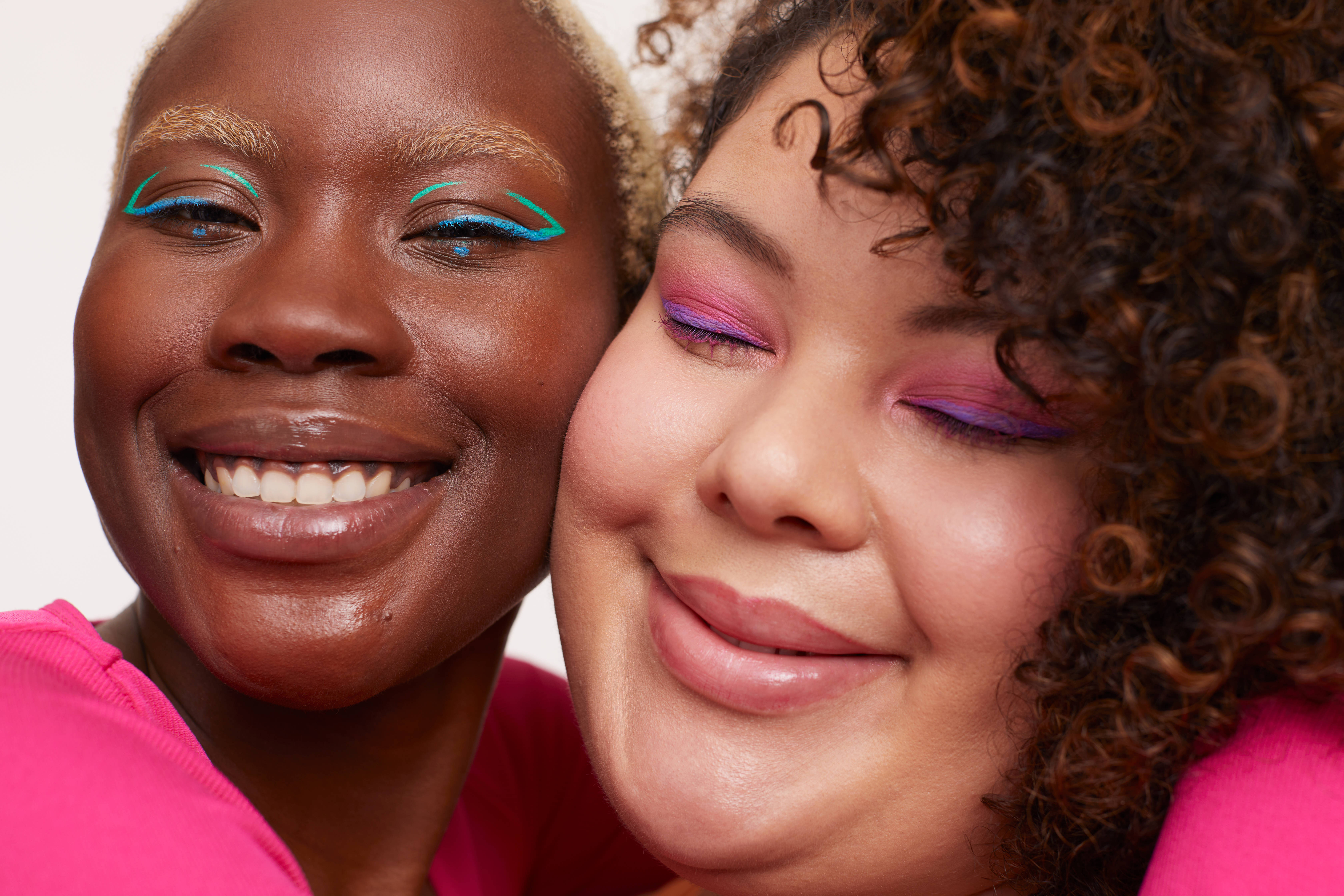
Cultura Creative: Christina Vaughan on Diversity, Photography and AI
Christina Vaughan has spent her career witnessing who gets to be seen and who is allowed to stand behind the camera. The founder of Cultura Creative and former head of Image Source, she built one of the world’s leading independent stock agencies before deciding to use that experience to push for a more inclusive visual industry, both in traditional photography and in AI training data. “We were documenting the life we were living and seeing around us,” she recalls of her early stock work, “and through that I began to understand that photography was not just reflecting reality. The images we chose to create and circulate could also influence how people saw the world and each other.”
Vaughan’s way of looking at visuals is rooted in her own story. Born into a dual‑heritage family with roots in northeast India and Burma, she grew up in Sheffield in a house filled with stories of tribal politics and post‑independence India, and with a mother who showed her the magic of photography. “One of my mother’s big escapes was photography,” she says. “She loved the glamour of the 1950s. It was a way of getting out of the grey industrial reality around us for a moment.” That sense of escape and possibility stayed with her. After studying European Studies and languages in London and a short spell in finance, Vaughan joined an international photo agency and saw firsthand how images travel and shape perception. “I could see the power of photography and how it translated internationally,” she says. “How images travelled and how they shaped people’s views of different places and lives.”
After more than two decades at the helm of Image Source, which became a major supplier of premium imagery worldwide, she went back to Sheffield. That distance from London gave her space to think about how she could build a new kind of space using her global network of photographers. “I wanted to take almost 30 years of experience in what sells and what is needed in commercial stock photography and use it to support a much more diverse group of photographers and creatives,” she explains. That was how Cultura’s vision came to life in 2021. “The idea was to help mentor, train and work with people who had not traditionally had access to this world, and to give them a route into a wider platform.”
Today, that vision also runs through her work with AI. Vaughan talks about AI as a kind of “augmented intelligence” and is as interested in its risks as in its promise. She is openly critical of systems trained on scraped, biased content, and argues that the people whose work feeds these models should be paid and credited. At Cultura, she and her team build diverse, curated datasets to train AI to challenge stereotypes rather than repeat them. In her view, AI should not replace human creativity, but help widen who gets seen and whose stories count in the images we put into the world.
“I wanted to take the 30 years of experience in what sells and what is needed in commercial global stock photography and use it to support a much more diverse group of photographers and creatives.” – Christina Vaughan.
To begin, could you talk us through your path into photography and visual media? And at what point did you realise that images could influence the way we perceive the world and each other?
My route into photography was quite indirect. I come from a dual‑heritage family. My mother was from the Mizo tribe of northeast India on the border with Burma, and my father, although British, was born in Burma. They moved to England in the 1960s and settled in Sheffield, which at the time was a very industrial city.
Photography entered my life through my mother. One of her big escapes was photography. She loved photography books and the glamour of 1950s imagery. That very high‑glamour style was a kind of escape for her from the grey reality around us. We also had a very international culture at home. My parents had travelled a lot through Asia, India, Brunei and Borneo. My uncle was the first tribal lawyer of the Mizos and later the first tribal minister in the new Indian Government when an independent democracy was created in the late 1940s. So there was always a strong sense of the wider world in our family.
I went to university in London and studied European Studies with French and Spanish, so again it was quite international. At that time, in the late 1980s, many people with my type of degree went into finance. I did the same, but after three months I realised I hated it. Then I saw a job advertised: an “international photo agency looking for graduates with languages”. I thought, “That’s me.” I joined a large photo agency in London, and that is where it really clicked. I could see the power of photography and how it translated internationally, how images travelled and how they shaped people’s perspectives of different places and lives.
From there, my career developed quite quickly. I worked for a large agency, then for a smaller agency in France, and later for an even smaller agency in the United States. When I came back to the UK towards the end of the 1990s, I could not find a company that I wanted to work for and , so I decided to set up my own. In 1998, I founded Image Source as a general stock photo agency focusing on premium imagery. The agency grew and became one of the largest independent agencies and a major supplier to companies such as Getty Images. At our peak, we had around 150 people in London and offices in New York, Los Angeles and Cologne.
At that time, I was not really thinking consciously about diversity or inclusion. There were a lot of women in the industry, but mostly in middle management or editorial and creative roles rather than in top leadership. However, even then we could see the power and impact of photography, and we were already asking ourselves if it could help drive social change. Early on, we were covering same‑sex families and women having IVF. We were documenting the life we were living and seeing around us, and through that, I began to understand that photography was not just about reflecting reality. The images we chose to create and circulate could also influence how people saw the world and each other. It can influence how society understands who belongs in which roles and what is considered “normal”.

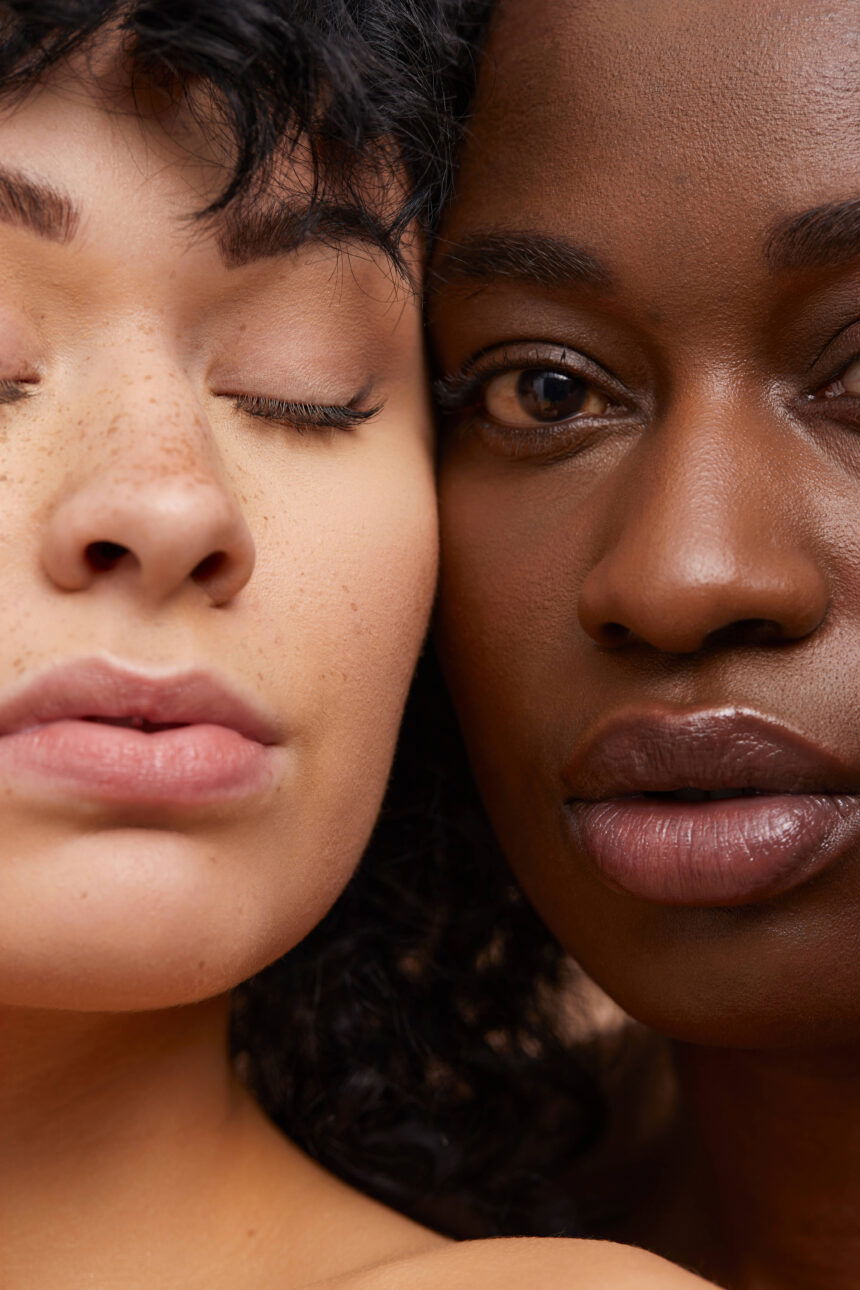
From your experience running a major photo agency, when did you start to feel that the industry did not reflect the real world, and how did that realisation lead to the creation of Cultura?
That realisation came gradually. While I was still at Image Source, I looked at our contributor base, which was over a thousand photographers, and it was still very male‑dominated. Sadly, it was also very much white and middle-class. There were almost no people of colour behind the camera and very few women. At the same time, we were doing strong creative and trend research, and partners like Getty were asking for more diversity in the imagery. But in reality, most of that “diverse” content was still being shot by the same fairly narrow group of white, middle‑aged, middle‑class men.
I also became more aware of the geographic and economic barriers. A lot of the work was in London. If you cannot afford to live in London, it is very hard to get into the industry. Many people start out because they know someone at a big publishers or agency and can afford to do a free internship or live with family while they build contacts. That creates a cycle. If only people with a certain background can get those first opportunities, then you end up with a lack of socioeconomic diversity, a lack of gender diversity at the top and a clear lack of people of colour or other protected characteristics like disability or from an LGBTQ+ background.
When I left Image Source, moved back up to Yorkshire and settled again in Sheffield, I had the distance to really see that. Sheffield is a city with a very different economic history and a lot of challenges, and it made me think more deeply about access and opportunity. I felt that, given my contacts and international network from running Image Source and working with Getty, Adobe, Shutterstock and others, I had a responsibility to use my platform differently.
That is how Cultura started. The idea was to help mentor, train and work with people who had not traditionally had access to this world, and to give them a route into a wider creative platform. I wanted to take the 30 years of experience in what sells and what is needed in commercial global stock photography and use it to support a much more diverse group of photographers and creatives. Over time, it has also grown into a space not just for photographers and videographers, but also for models, makeup artists, production assistants and editors: everyone whose work shapes the image but who often does not get recognised.
“Representation, for us, has several layers. It concerns who is in front of the camera, who is behind the camera, who is credited and paid, and who participates in the creative decisions.” – Christina Vaughan.
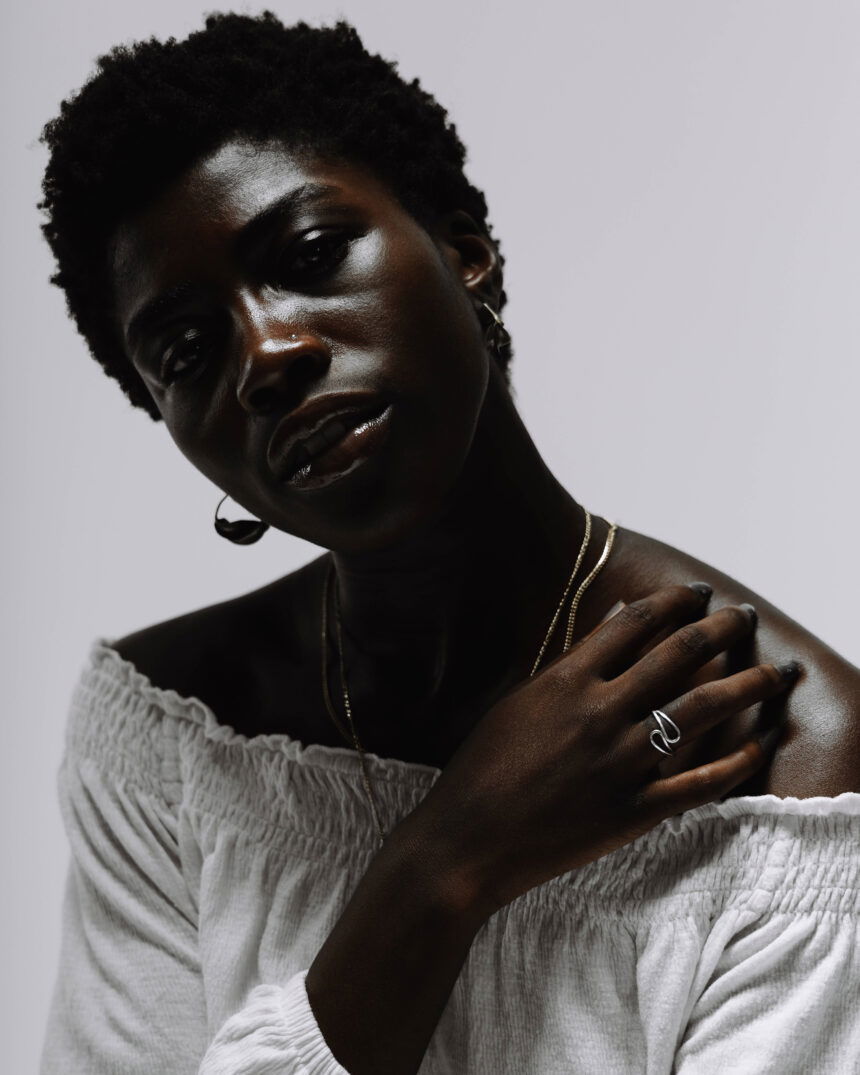

When you say you want to involve everyone and make the industry more inclusive, what does that look like in practical terms?
A lot of our work is about demystifying the industry and building confidence. We run workshops and small training sessions from our office in Sheffield, and we have done joint events with partners such as Fujifilm and Adobe. The office is quite new, and one of our priorities is to expand the number and range of workshops we offer.
What we see consistently is a gap between talent and confidence. Many of the people we meet have a very good eye, whether as photographers, stylists or makeup artists, but they lack confidence and do not necessarily understand how the industry functions or how to position themselves within it. When you do not have that knowledge, it becomes harder to see your place.
Workshops allow us to share information that might technically be available online, but in a context where participants can ask questions, make mistakes and discuss their own situations. That human element is often what makes the difference. People leave feeling more able to imagine themselves in roles they previously found intimidating or inaccessible.
We also see our role as forming partnerships. No single organisation can solve structural issues around diversity and access. However, by collaborating with camera manufacturers, software providers, agencies and brands, we can amplify the knowledge and opportunities available to emerging creatives.
“What we see consistently is a gap between talent and confidence. Many people have a very good eye, but they lack the knowledge and self‑belief to see a place for themselves in the industry.” – Christina Vaughan.
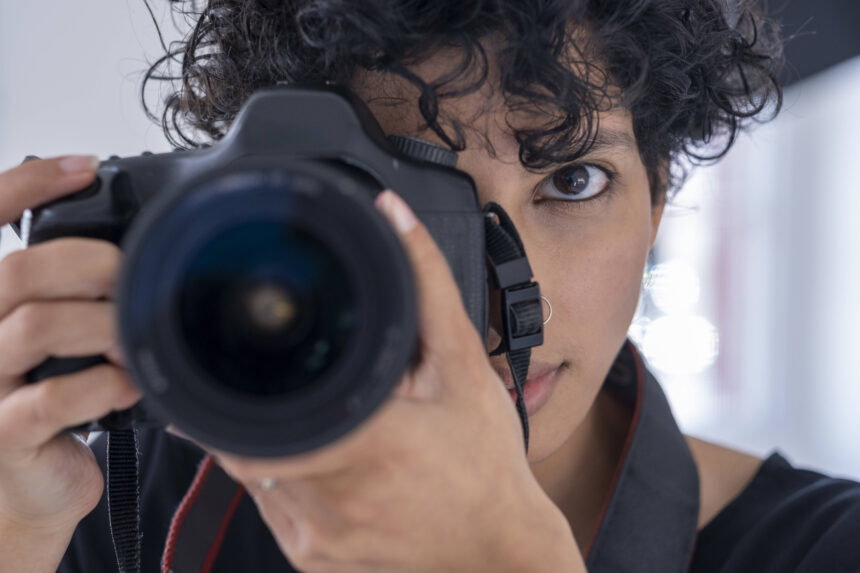

You have described the practical side of your work, from workshops to partnerships. If we zoom out to the bigger picture, how do you assess representation in today’s visual industries, and what are you trying to change through Cultura?
When I visit large agencies and publishers in London, I try to imagine those spaces from the perspective of someone young and from an under‑represented background. If you are a young Black woman, or a young woman of Middle Eastern heritage, or from a working‑class family, those environments can feel very closed and intimidating. That, in itself, can act as a barrier before any formal application process even begins.
At Cultura, we want to offer a different kind of entry point. We aim to create a space where people feel they can ask questions, learn and experiment without being made to feel out of place. Our goal is to combine that supportive environment with a clear focus on commercial standards, so people do not just feel welcomed, but also learn what is required to succeed professionally.
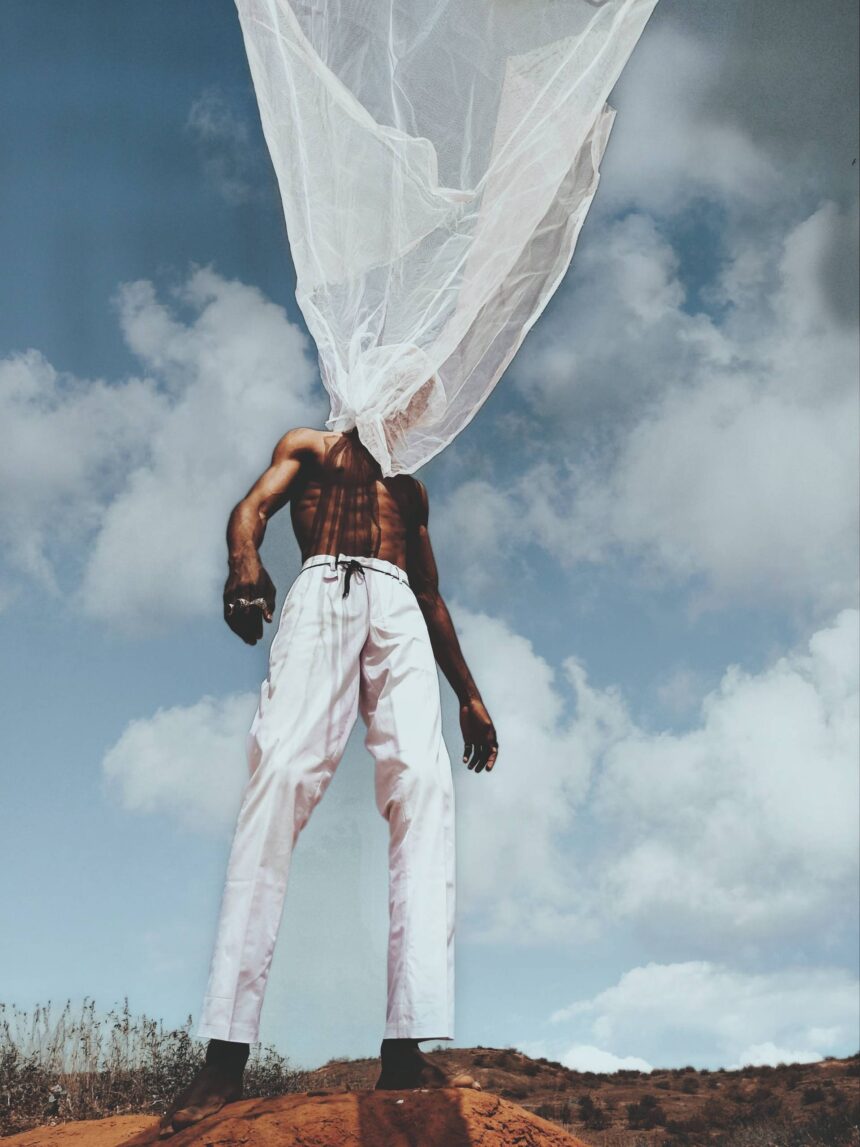
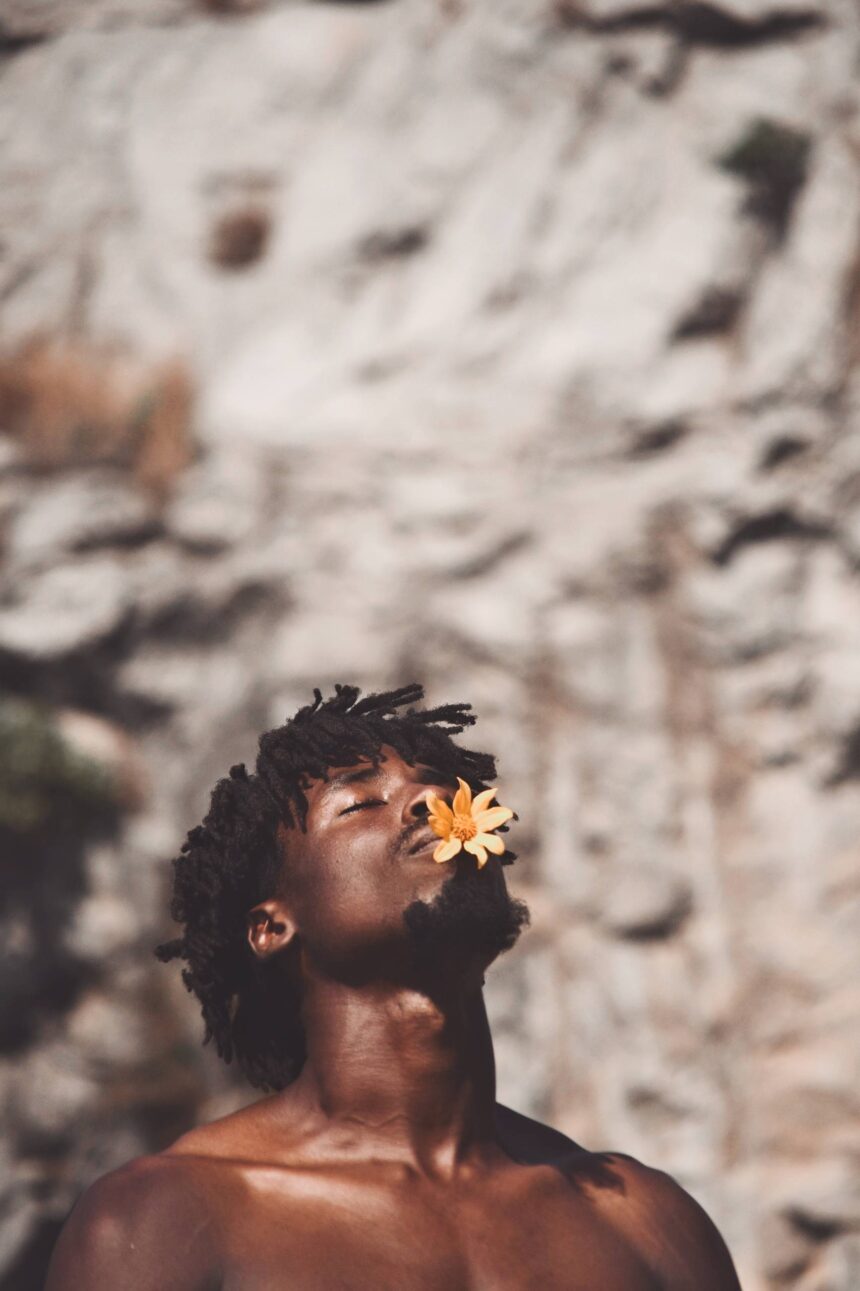
Representation, for us, has several layers. It concerns who is in front of the camera, who is behind the camera, who is credited and paid, and who participates in the creative decisions.
Photographers’ rights are important, and they are well organised through associations and copyright frameworks. However, strong imagery also depends on models, makeup artists, stylists, art directors and production teams. Those roles are often overlooked or under‑credited, especially in contexts where Western photographers travel to places such as Africa, India or Asia and the local subjects are treated as background rather than central participants in the work.
We also ensure that everyone is paid, including models, production assistants and makeup artists. We place a lot of emphasis on art direction as well. From my time at Image Source, I know that the most successful imagery has almost always been carefully produced and art‑directed. Yet the art director’s role is frequently invisible in public discussions of photography. We want to change that by acknowledging the contributions of everyone involved.
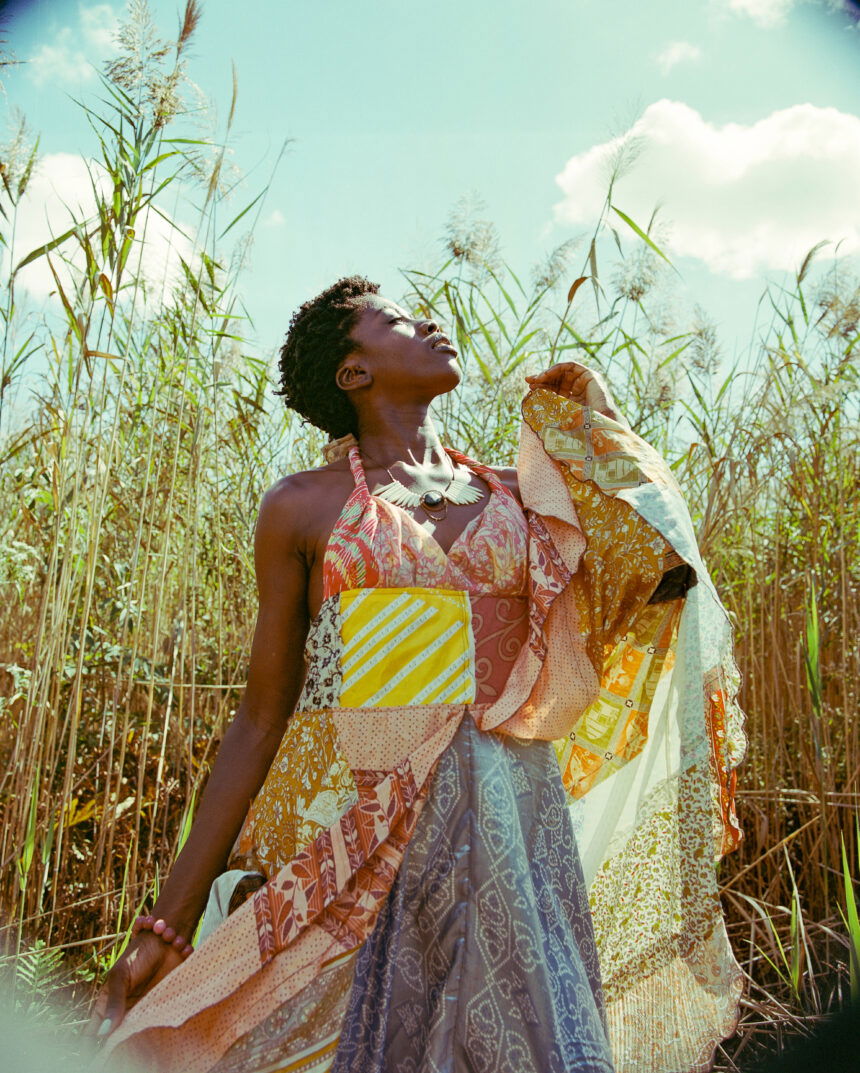
You have been quite open about embracing AI. How do you view the role of AI in visual content today, and how is the industry handling it?
I began engaging with AI very early. Around two to two and a half years ago, I went to a conference in San Francisco and met people working on AI from both engineering and content perspectives. One thing that stayed with me was their language. They were not describing it as “artificial intelligence” but as “augmented intelligence”. That choice of words emphasised the central role of human input.
AI reflects the humans who build and train it. It can be used in ways that are constructive or harmful. In the early stages of visual generative AI, we saw a lot of content being scraped from the internet without permission or compensation, which I consider both unethical and unsustainable.
If creators are not remunerated, they cannot reinvest in their practice. Over time, that reduces the quality and diversity of the material available, and the models trained on that material will reflect those limitations. Companies such as Adobe are attempting to build more ethical and sustainable models by paying contributors whose work is used for training. I think that approach is essential.
My view is that AI should be integrated into an ecosystem where everyone is fairly rewarded. That includes photographers, models, stylists, art directors and others. When you combine that ecosystem with the craft knowledge of experienced image makers, such as an understanding of light, composition, narrative and cultural context, AI becomes a genuinely useful tool rather than a blunt instrument.
“I do not think AI “killed” stock photography. The stock industry had been undermining itself for at least a decade before AI became a serious factor.” – Christina Vaughan.
There is a lot of discussion about AI and synthetic imagery replacing stock photography. How do you see that relationship?
I do not think AI “killed” stock photography. The stock industry had been undermining itself for at least a decade before AI became a serious factor. There was a steady commoditisation of imagery and a downward spiral in pricing, driven largely by large distribution platforms. That made it very difficult for photographers to invest in high‑quality productions.
As a result, there has been a noticeable decline in premium stock content for some time. For many years, I saw very little that felt genuinely fresh or exciting. There was a great deal of repetition: similar concepts, similar casting, similar locations and a persistent lack of diversity.
Cultura, despite being a relatively young business, has been investing in larger‑scale shoots with diverse casts and considered locations. This is the sort of work that used to be more common in the early 2000s. That level of investment has become rare in the wider market.
AI and synthetic imagery are, in many ways, moving into the space created by that decline. Over the last couple of years, between our own work and what I have seen more broadly, I have started to feel excited again about the possibilities of visual content. AI allows for new kinds of experimentation, and when used thoughtfully, it can help address some of the blind spots in traditional stock, particularly around representation.
It is worth remembering that traditional stock has always involved a degree of artificiality. For decades, we have staged scenes with models playing families, doctors or executives. In that sense, synthetic images generated by AI are an extension of something the industry has been doing for a long time, provided we are transparent about how they are made.
“Traditional stock has always involved a degree of artificiality. For decades, we have staged scenes with models playing families, doctors or executives. In that sense, synthetic images generated by AI are an extension of something the industry has been doing for a long time, provided we are transparent about how they are made.” – Christina Vaughan.

Where do you see synthetic content adding value, especially in relation to diversity and inclusion?
Synthetic content can be particularly valuable in situations that are difficult, unsafe or impractical to photograph directly, or where a large number of scenarios need to be explored.
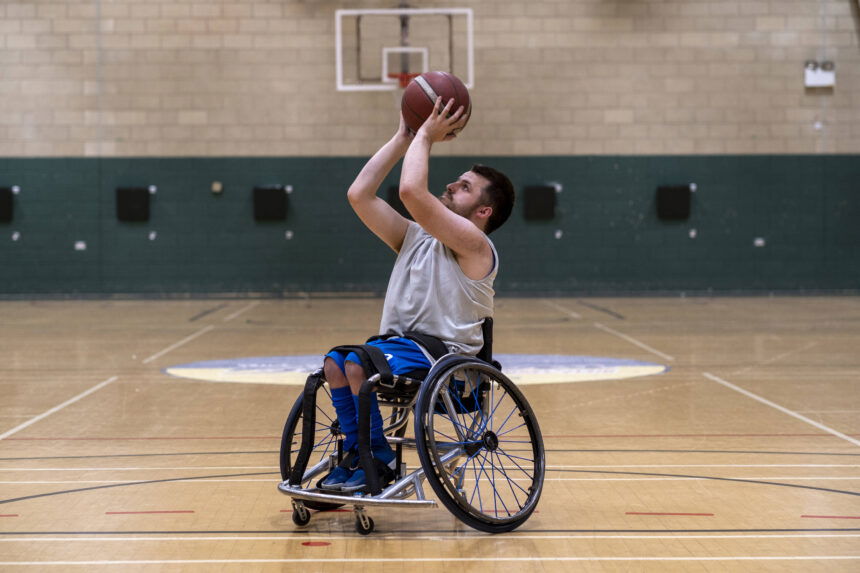
For example, in safety and health contexts, many systems have historically been designed around a default male body. Synthetic imagery and simulation can help model how different bodies, including women, people of different sizes and people with disabilities, might be affected in various situations. That can inform better product design and policy without putting real people at risk.
From an inclusivity perspective, synthetic content allows us to visualise bodies and experiences that are under‑represented in existing datasets. That includes diversity of ethnicity, age, body shape and gender. If we want AI models to recognise and generate a realistic range of human experiences, we need training data that reflects that range. Synthetic content, created deliberately and ethically, can help fill gaps that historical photography simply does not cover.
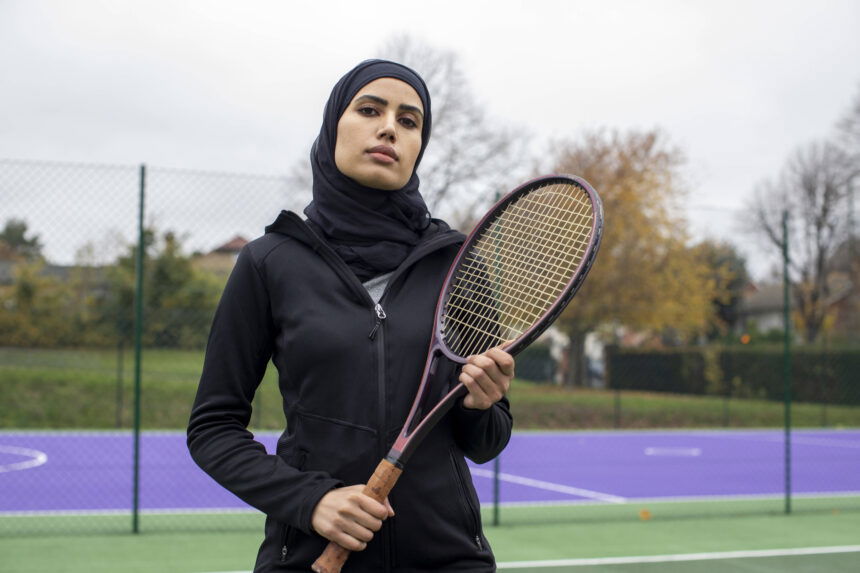
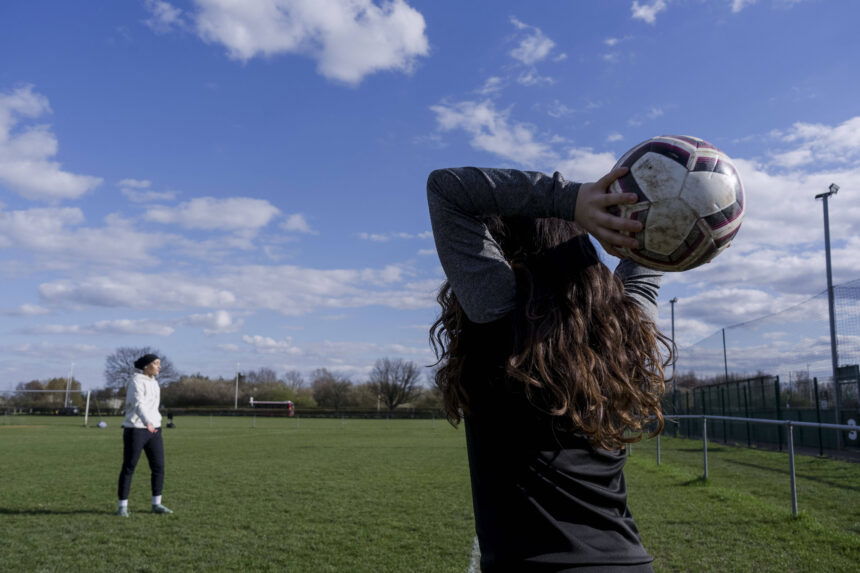
At Cultura, we work with brands on dataset creation specifically aimed at reducing bias. The focus is not just on generating more images, but on generating images that shift the underlying assumptions. For example, we look at who appears as a CEO, who appears as a scientist, or who is shown in sports and leadership roles.
You describe storytelling as a form of leadership. In practical terms, how does that idea play out in photography, particularly in the way photographers choose what and whom to show?
For me, storytelling in photography begins with authenticity. The most meaningful work tends to come from photographers who start by documenting what they know: their families, their communities and their everyday environments.
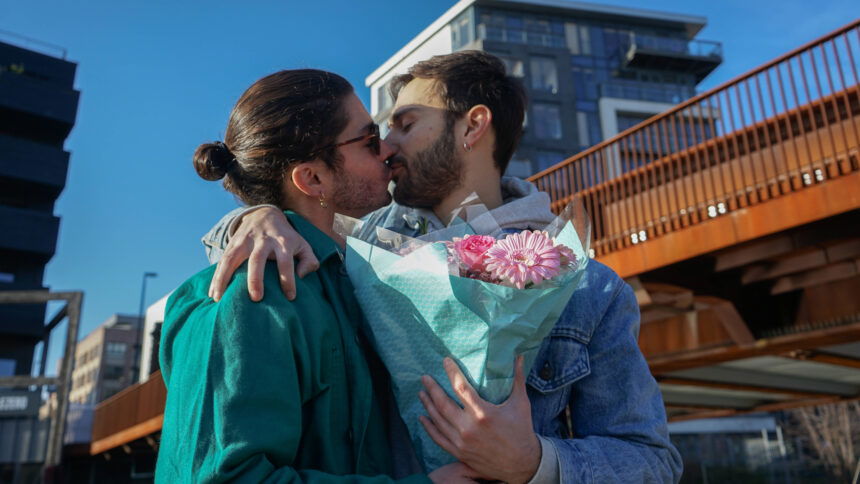
Storytelling is not only about dramatic moments. It can be the ordinary details of daily life, such as scenes around the kitchen table, small rituals or the ways people express affection and care. Those images often carry the deepest cultural and emotional weight, and they are precisely the ones that are missing when visual culture is dominated by a narrow set of perspectives.
Young creatives today have unprecedented access to tools. A mobile phone is enough to record images, video and sound. That does not automatically make someone a professional photographer, but it does make it possible to start observing and capturing their own world with very few barriers.
Leadership becomes relevant when photographers use that ability to make others visible. They can show people and stories that might otherwise be overlooked and do so with respect and care. In that sense, visual storytelling is not only about personal expression. It is also about how you choose to represent others and what you contribute to the collective visual record.
“The things that feel ordinary to you are often the things that are most original in your work. They are what distinguish your images from someone else’s.” – Christina Vaughan.
You have stressed the importance of AI being ethical and sustainable in terms of how it treats creators and their work. There is also a growing discussion about the energy use and environmental cost of AI systems themselves. How do you see that side of the conversation, and does it shape how you want to work with AI at Cultura?
I think we have to be honest that AI carries an environmental cost, just like the early internet, cloud computing or even high-end photography production did. Training large models uses significant energy. The question is not whether AI consumes power, but whether we invest in systems that justify that cost by producing something socially valuable and ethically sourced, instead of simply creating more volume for the sake of speed.
At Cultura, we focus on small, curated and purpose-built datasets, not endless volumetric scraping. Smaller, high-quality training sets require far less computational power and reduce duplicated or biased content. We also favour partnerships with companies that can document how they source data and how they power their models, because transparency matters. You cannot be committed to inclusion while ignoring environmental impact — they are both forms of sustainability.
Long-term, I believe AI will follow the same path as photography: the tools will become more efficient, cheaper and greener. The challenge is to shape the industry now, so it grows in a way that values what it uses — people, data, and energy.


Looking at the realities of the industry today, what guidance would you offer to someone at the very beginning of their photography career, whether they are interested in stock, editorial or any other area?
I always begin by acknowledging my own background. I did not grow up wealthy, but I did grow up in a large and very supportive family. That gave me a sense of confidence and security that not everyone has. My mother believed strongly that her daughters could do things she never imagined possible when she was a young woman. My father had an extraordinary capacity to see the positive in people, despite difficult experiences in his own life.
Not everyone has that foundation, and I think it is important not to pretend otherwise. However, even without it, it is still possible to build a sense of agency over time. For someone starting out, I would emphasise a few points.
First, try to be clear about what genuinely interests you. Photography is broad: documentary, fashion, sports, portraiture, commercial work and more. The more you understand what engages you, the more coherent your work will become.
Second, take your own story and context seriously. The things that feel ordinary to you are often the things that are most original in your work. They are what distinguish your images from someone else’s.
Third, recognise that this is a challenging profession. The market is crowded, and earning a full‑time living purely from photography is harder than it used to be. At the same time, the tools for creating, sharing and collaborating are more accessible than at any point in history. This combination of difficult economics and low barriers to entry means that persistence, clarity of vision and a willingness to keep learning are crucial.
Finally, pay attention to the people around you. The colleagues and collaborators who support you, challenge you and share knowledge with you will make a significant difference over time. Seeking out environments, whether in person or online, where people actively want each other to succeed, is often as important as any technical skill.
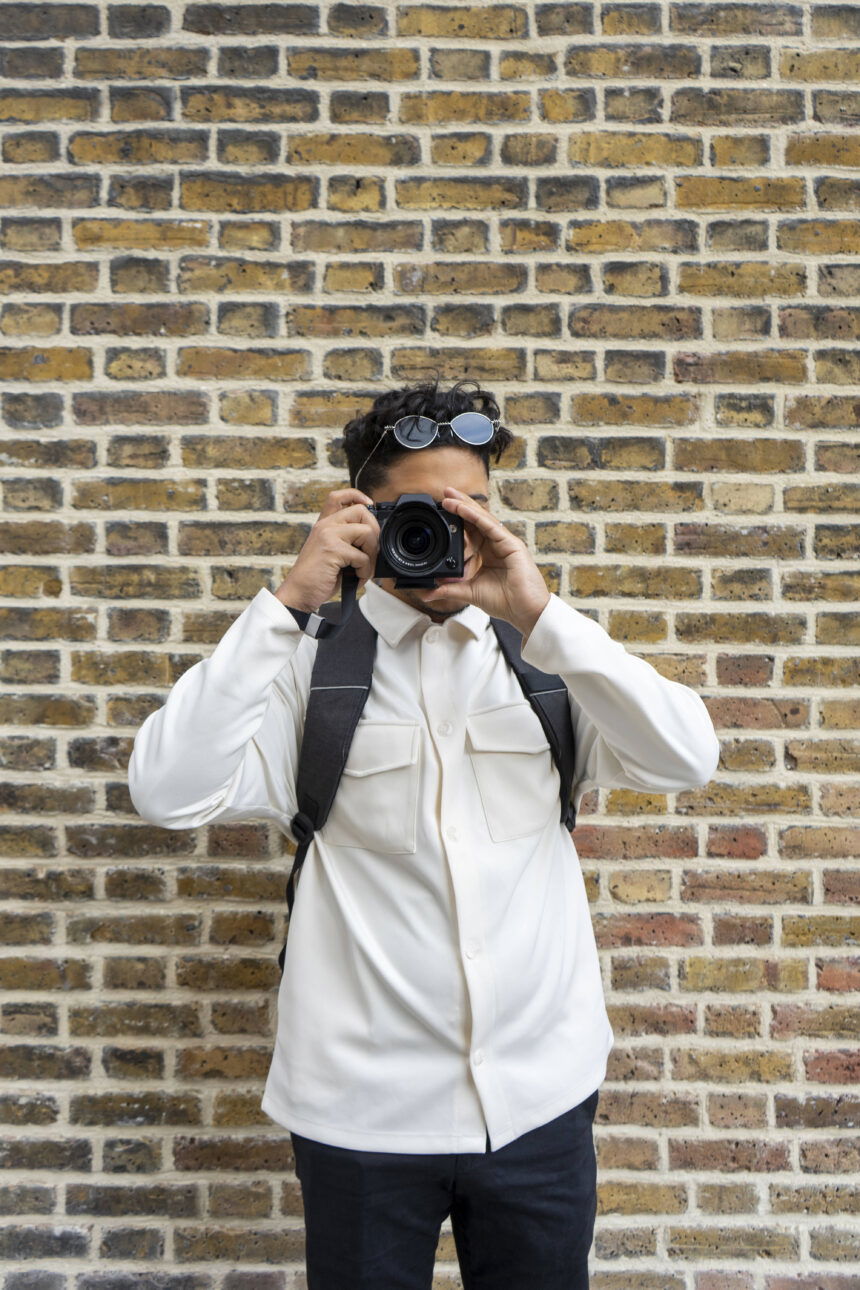
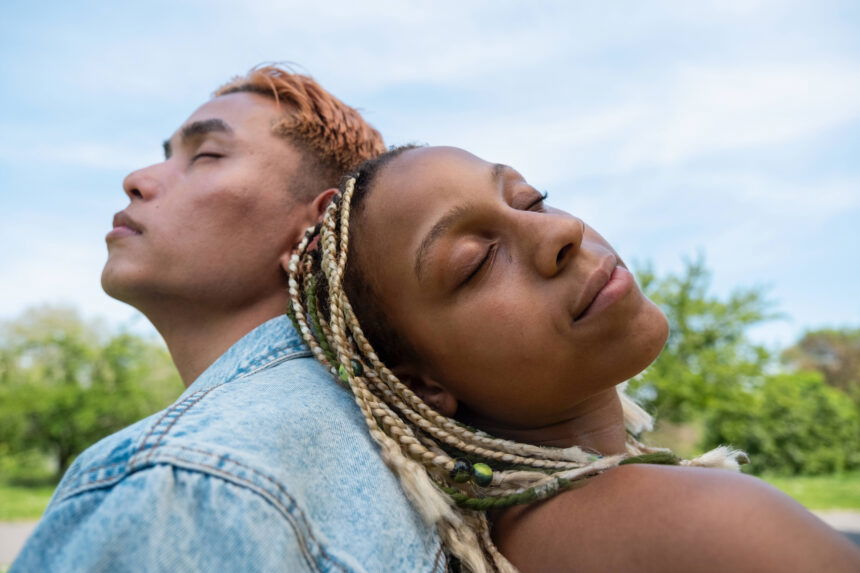

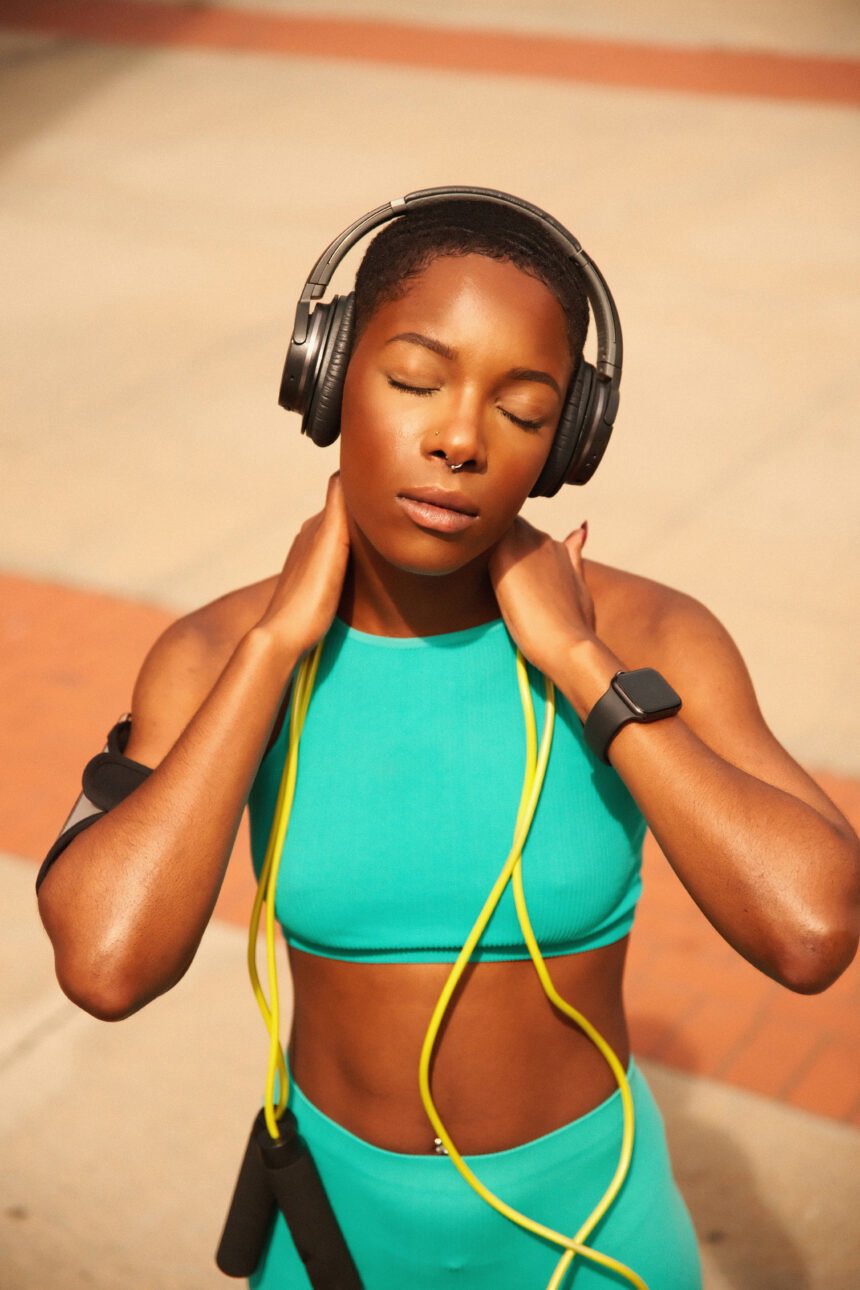
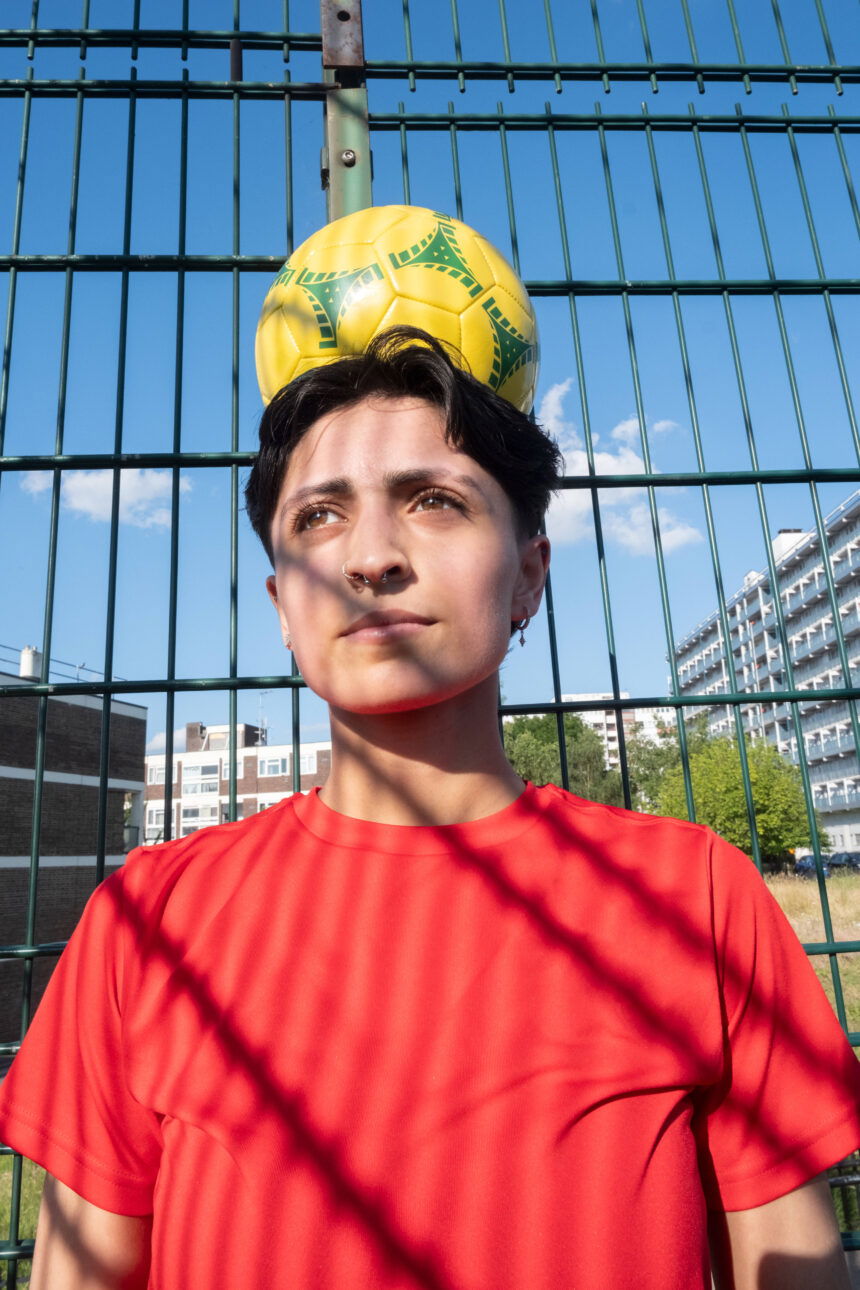

See our collection from Cultura Creative via IMAGO here.
Cover photo: IMAGO / Cultura Creative.