
Discover the Waorani people of the Ecuadorian Amazon through Ozge Elif Kizil's photo essay. A visual documentation on their traditions, daily life, and the critical challenges they face.
Waorani People of the Amazon: A Photo Essay by Ozge Elif Kizil
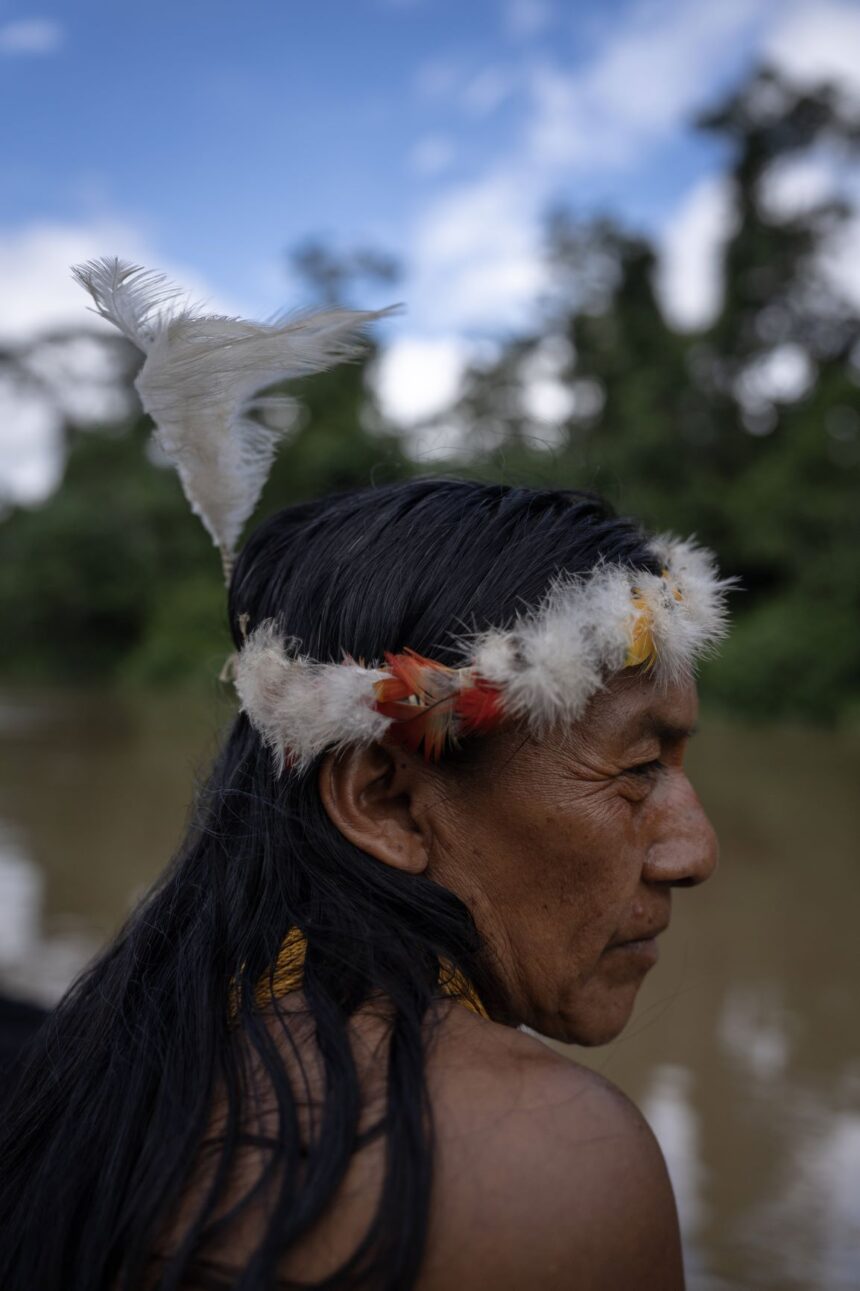
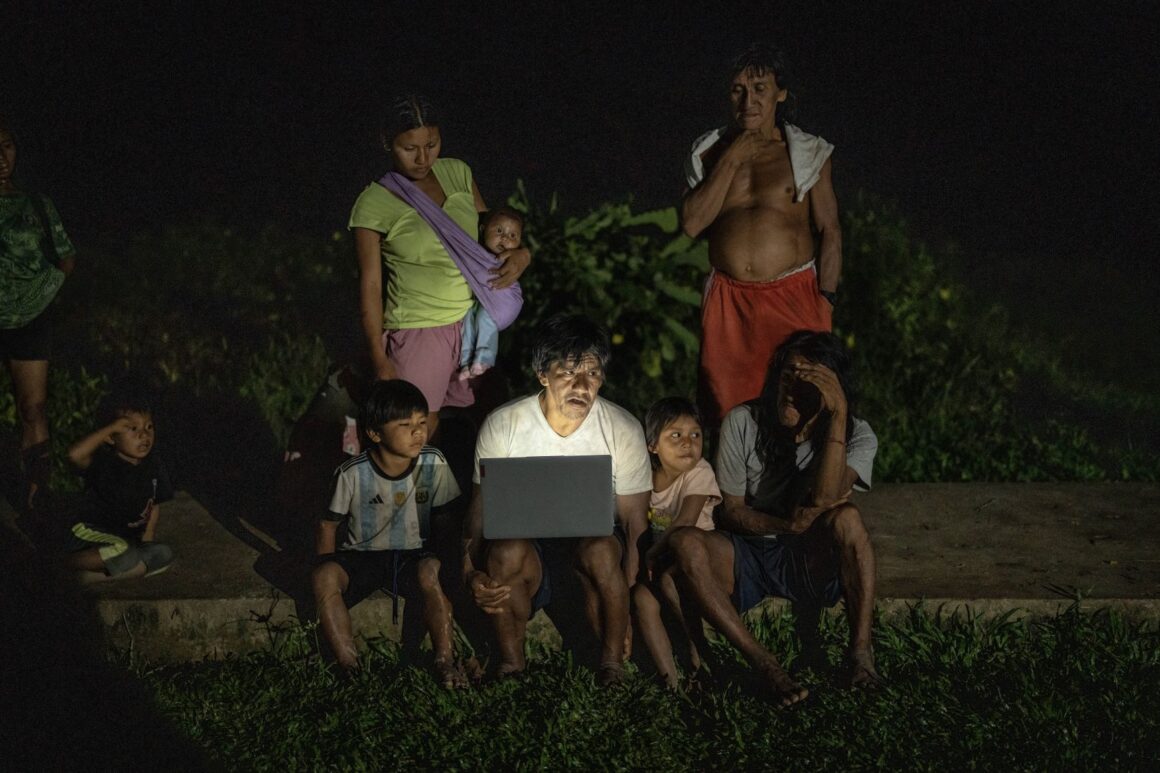
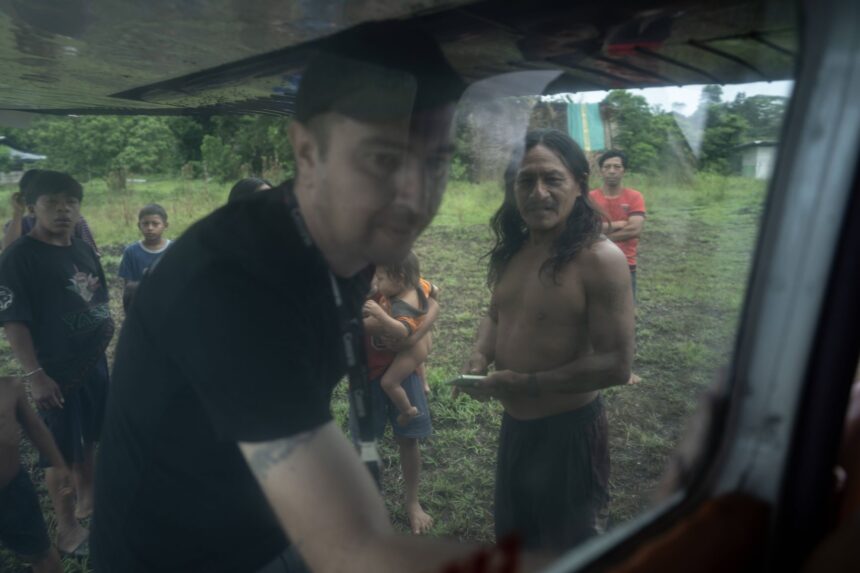
Award-winning photographer Ozge Elif Kizil from Anadolu Agency traveled to the Ecuadorian Amazon to document the life of the Waorani people. She spent a week living with the Bameno community to observe daily life, environment, and the pressures facing their forest home. She was fascinated and drawn by the journey and their life as she “felt like stepping into another world,” but also wanted to document and capture their challenges and struggles of living in the middle of the Amazon, for the way that they live.
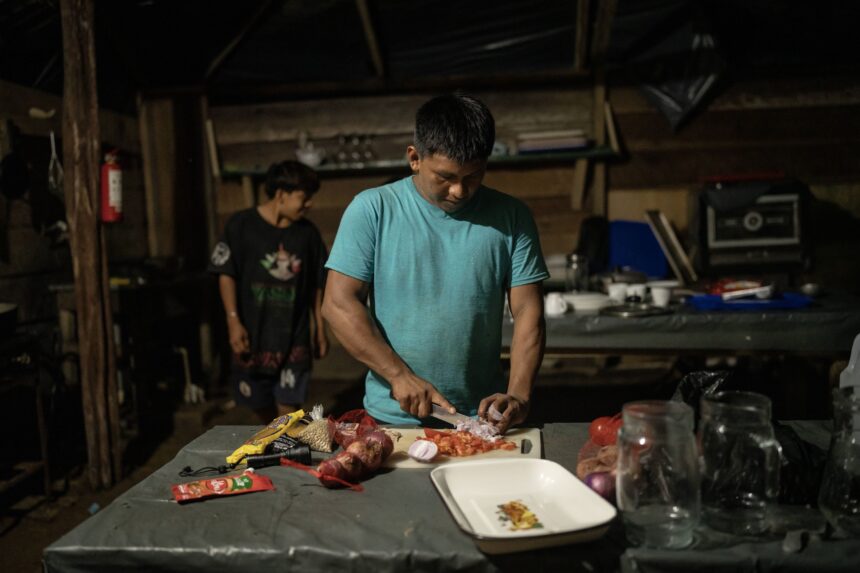
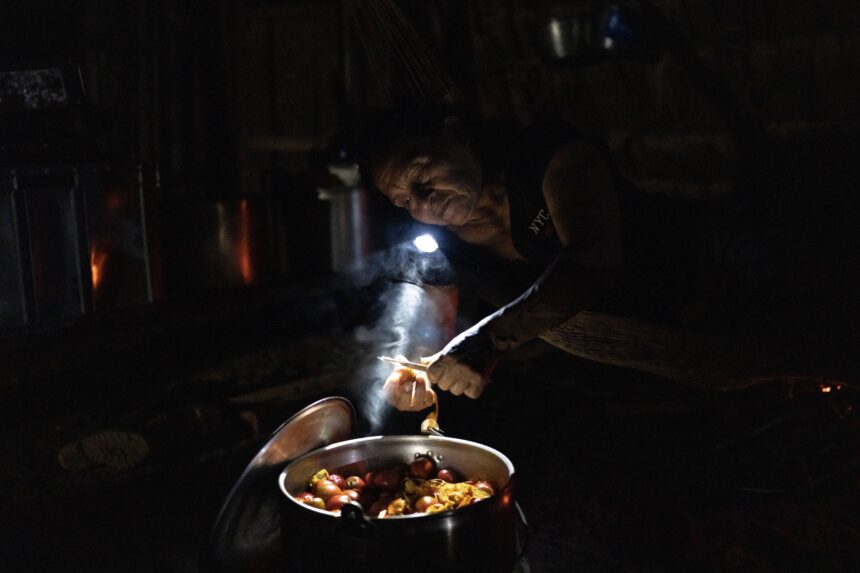
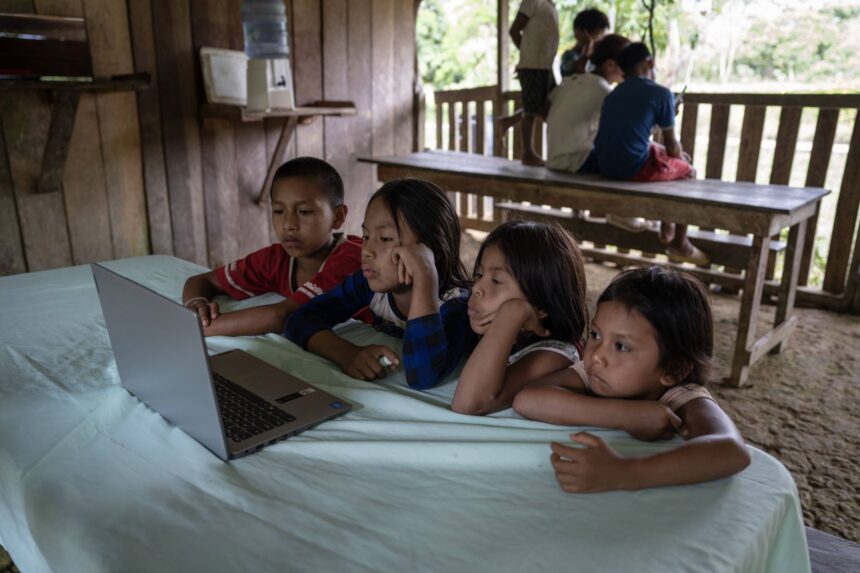
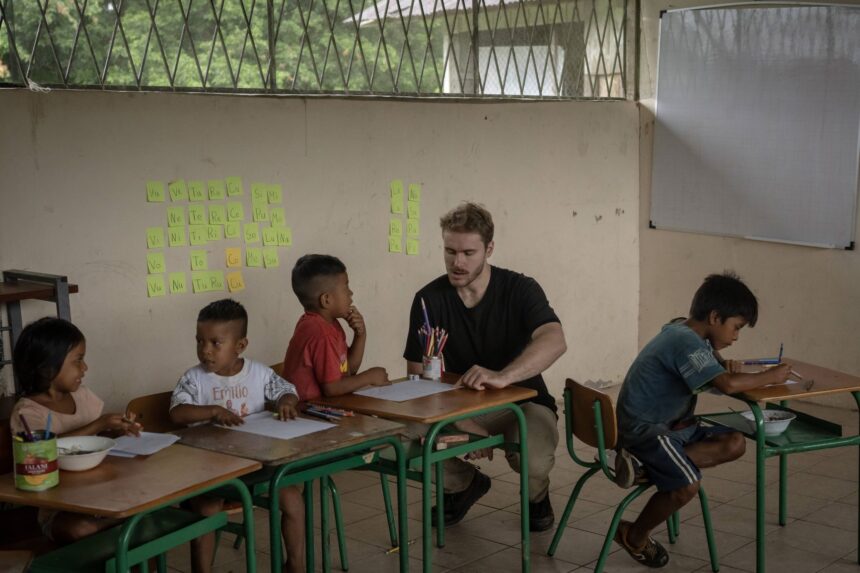
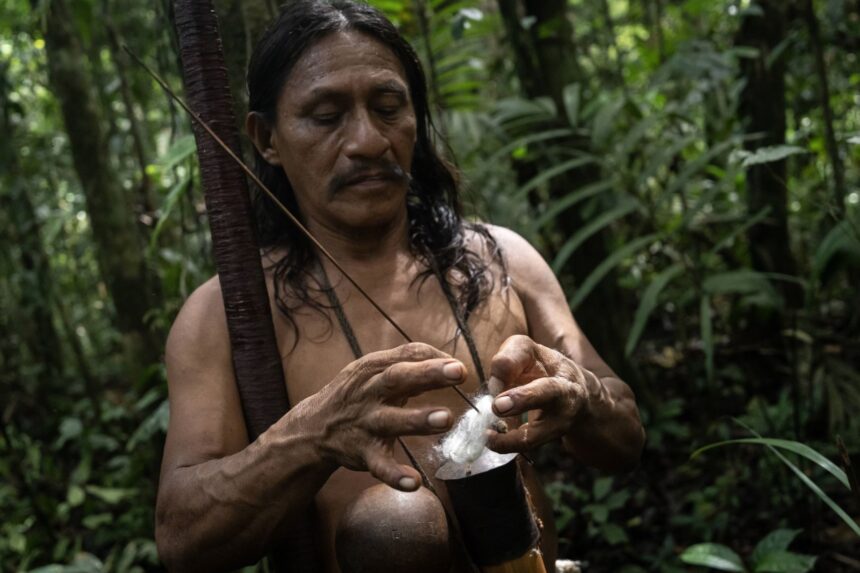
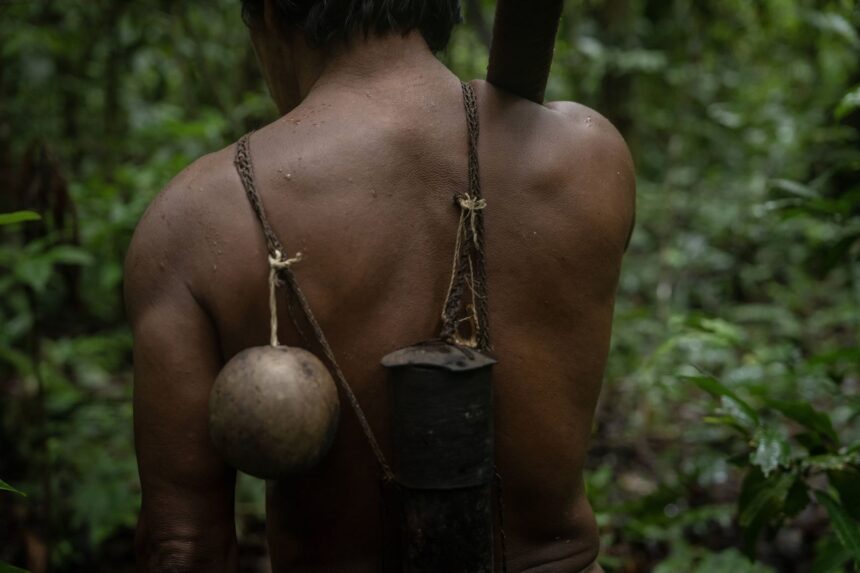
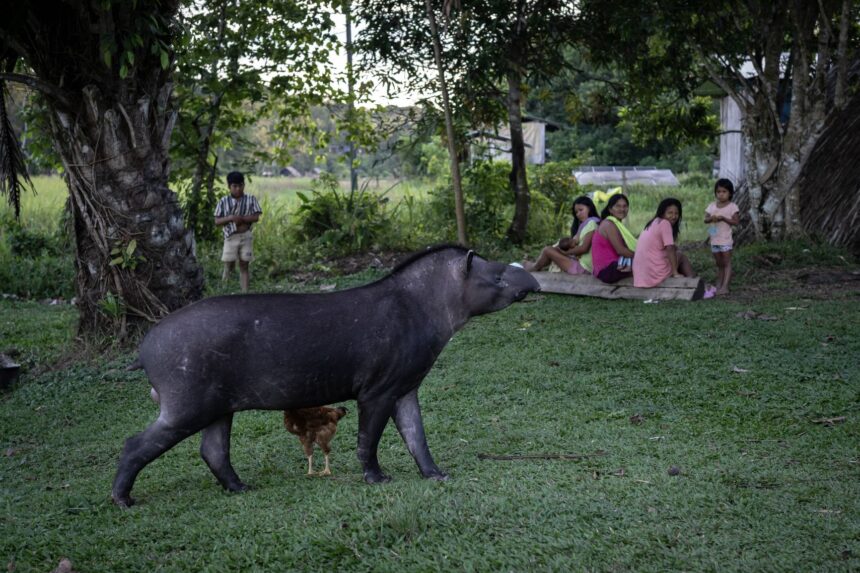
During her time there, she concentrated on the daily routines that structure life in the community. Kizil’s technical approach is grounded in direct observation. Her images document the unposed realities of Waorani life: children in a school lesson, men preparing for a traditional hunt, cooking, gathering, and what shapes their lives as they are. Using clean compositions and available light, she captures these moments without intrusion. Her style allows the scenes to unfold naturally for the viewer, and the result is a body of work that feels both immediate and authentic.
“What stayed with me was how natural it all was, how they were completely in rhythm with the forest, hunting only what they needed, showing respect for the animal. It made me see the Amazon not just as a place full of life, but as a living system where humans and nature still speak the same language.” – Ozge Elif Kizil.
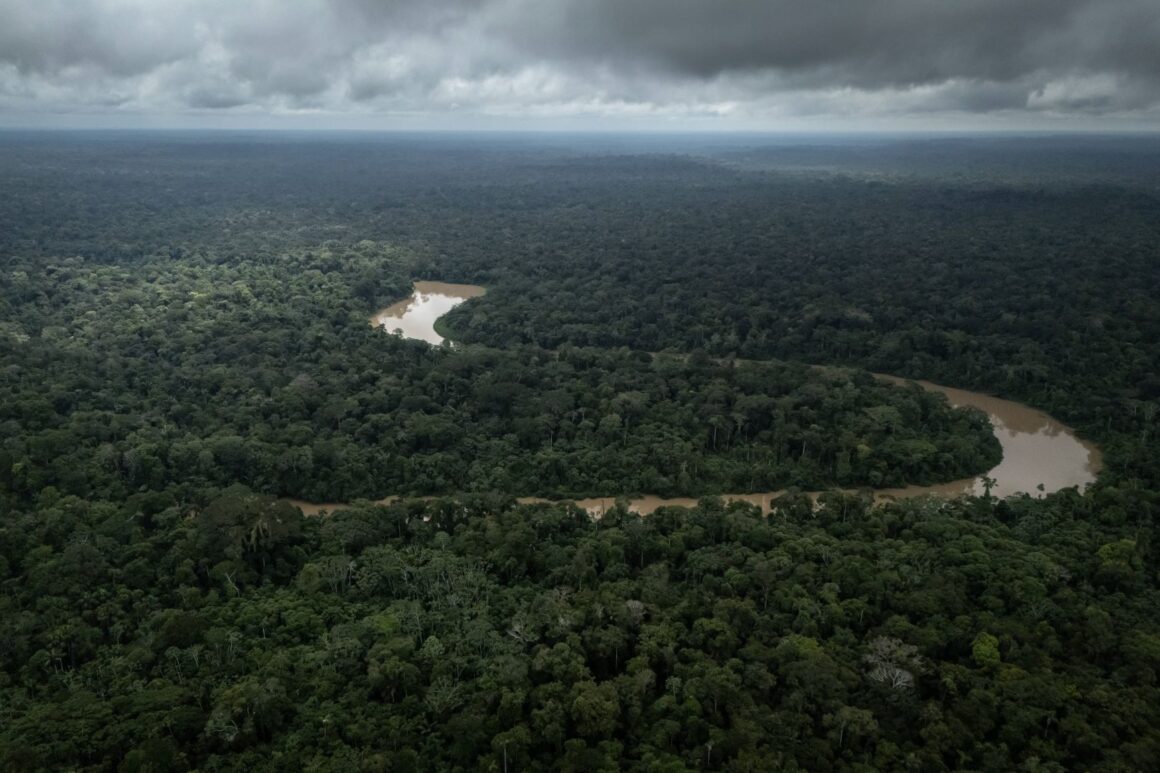
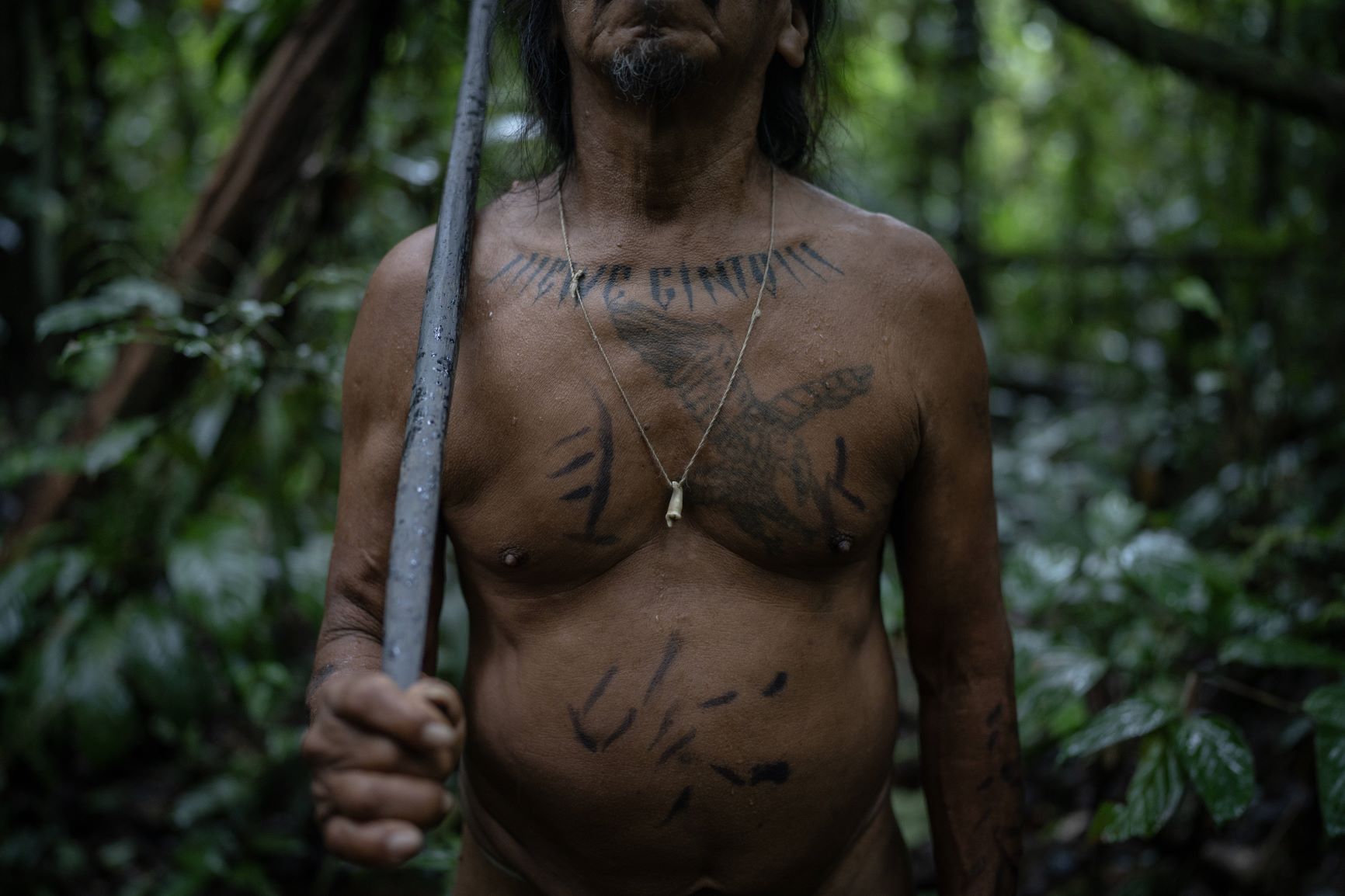
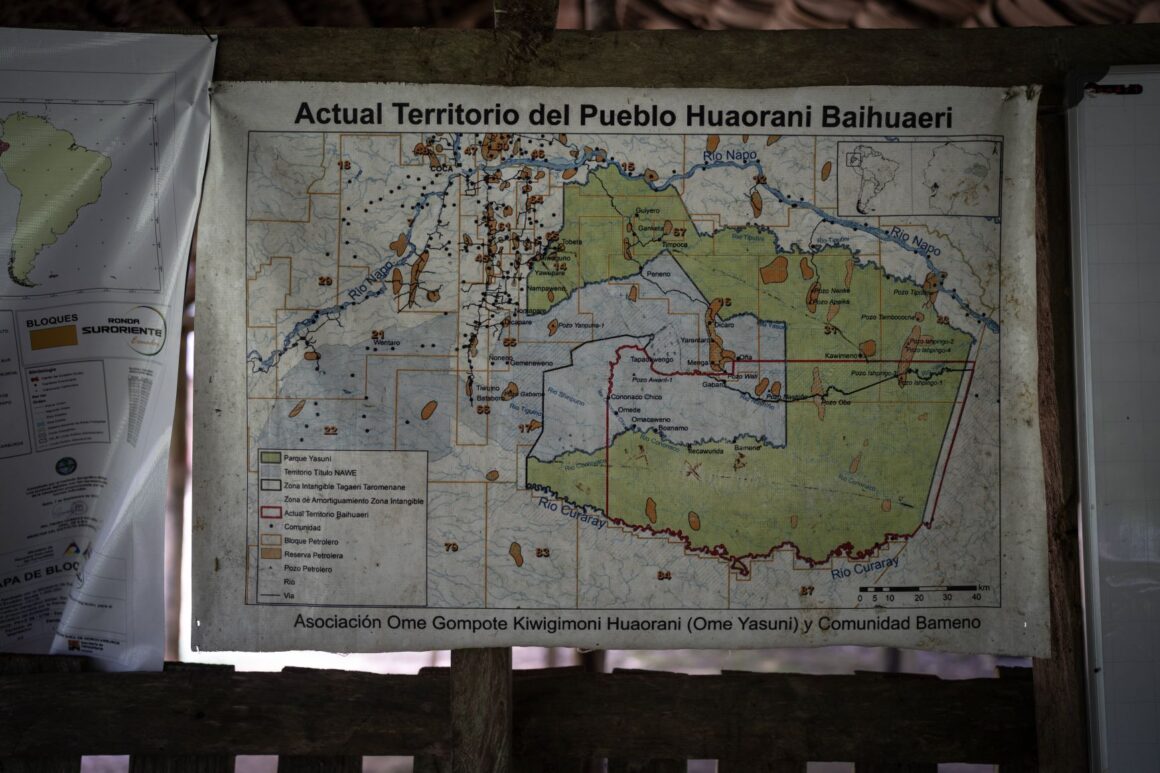
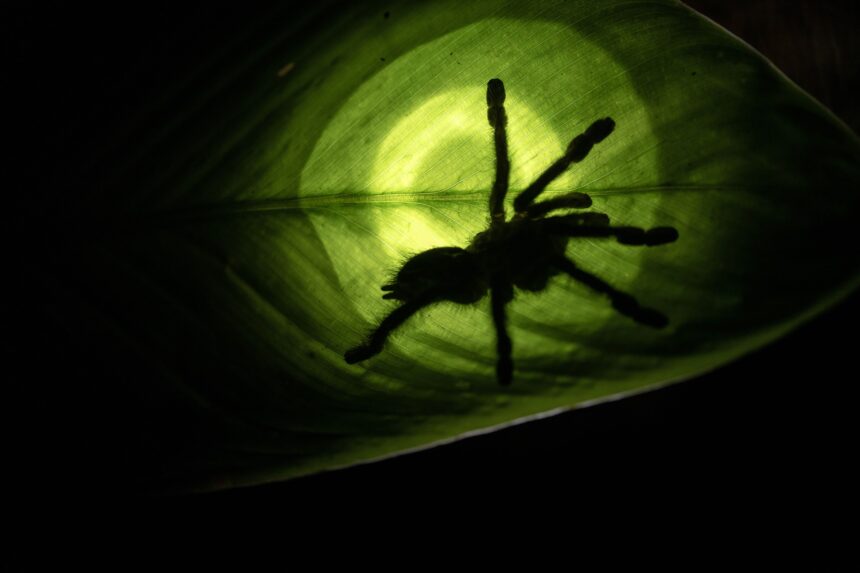
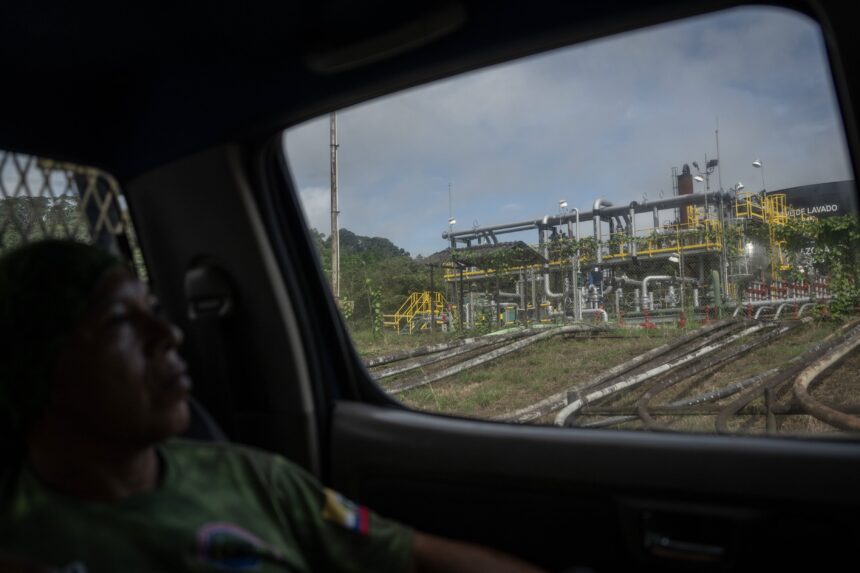
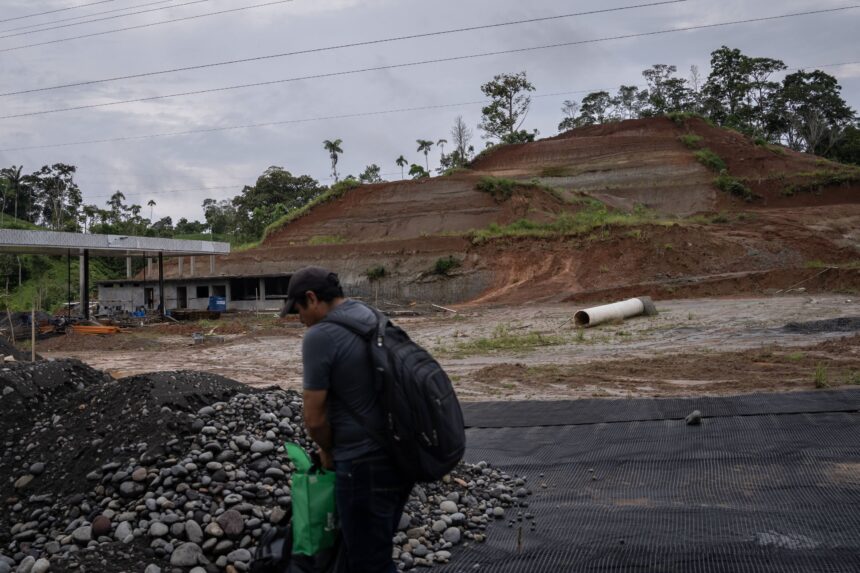
I was drawn to the Waorani because their story is both deeply human and globally significant. They live in one of the most biodiverse regions of the Amazon, yet they face constant threats from oil extraction, deforestation, and the pressures of modernity. For me, as a photojournalist, it was important not just to document the beauty of their land and traditions, but also to highlight the challenges they face in protecting their territory and way of life. The Waorani stand as guardians of the forest, and their struggle is connected to all of us, since the Amazon is vital for the planet’s future.
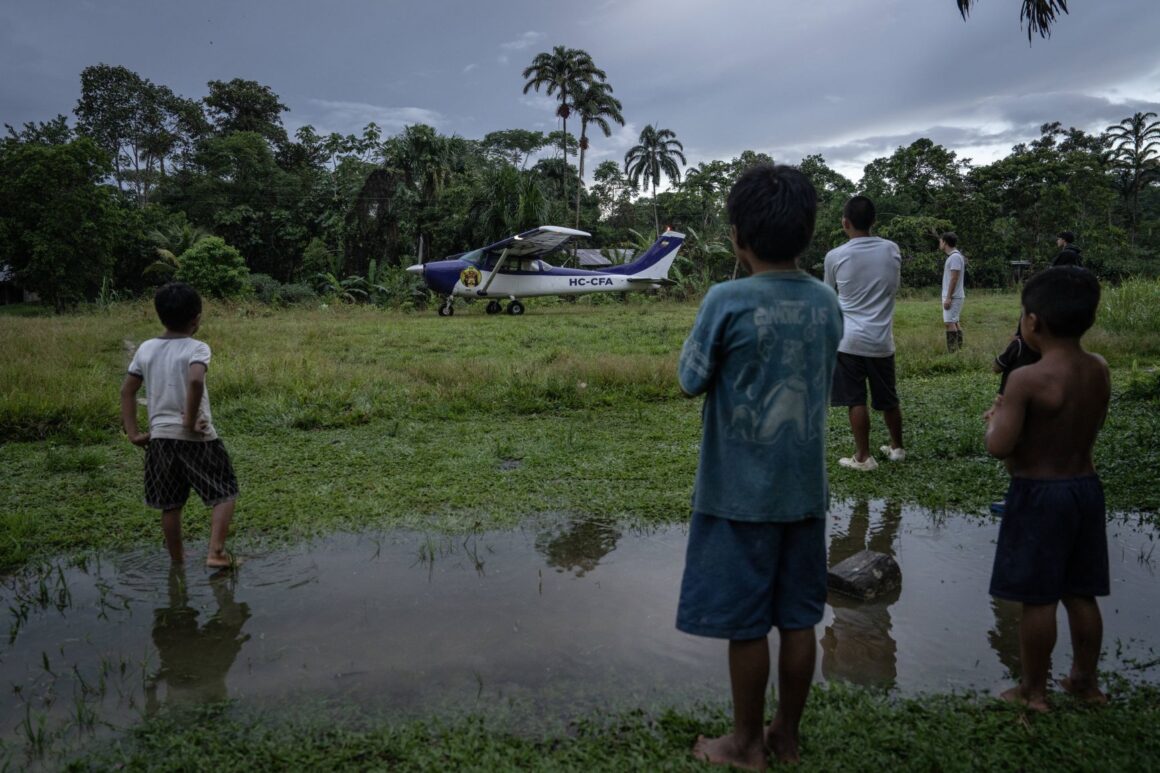
When I first arrived, I was struck by the contrast between the remoteness of Bameno and the warmth of its people. The journey itself felt like stepping into another world, but once I was there, the sense of community and generosity immediately stood out. Life in Bameno is closely tied to the rhythms of the forest and river, and you feel that connection everywhere. It gave me both a sense of awe and humility, realizing how differently they relate to the land compared to urban life.
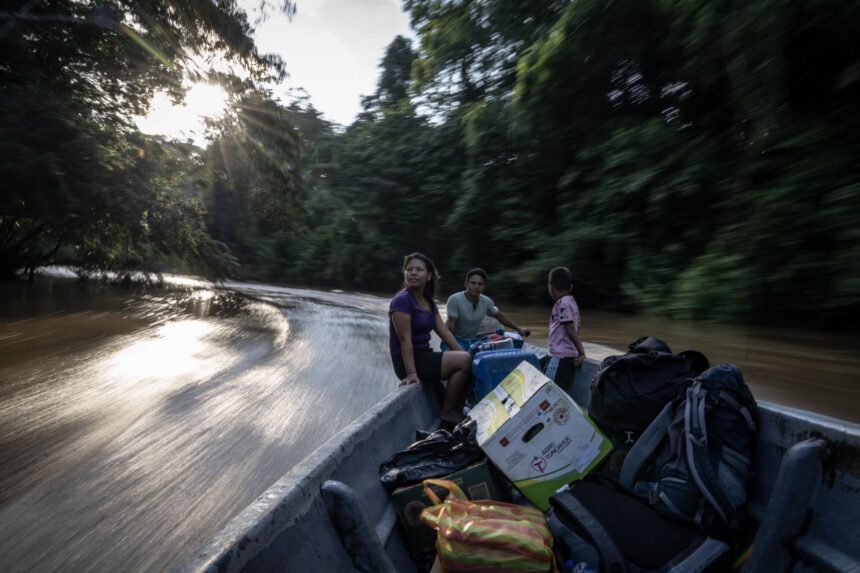
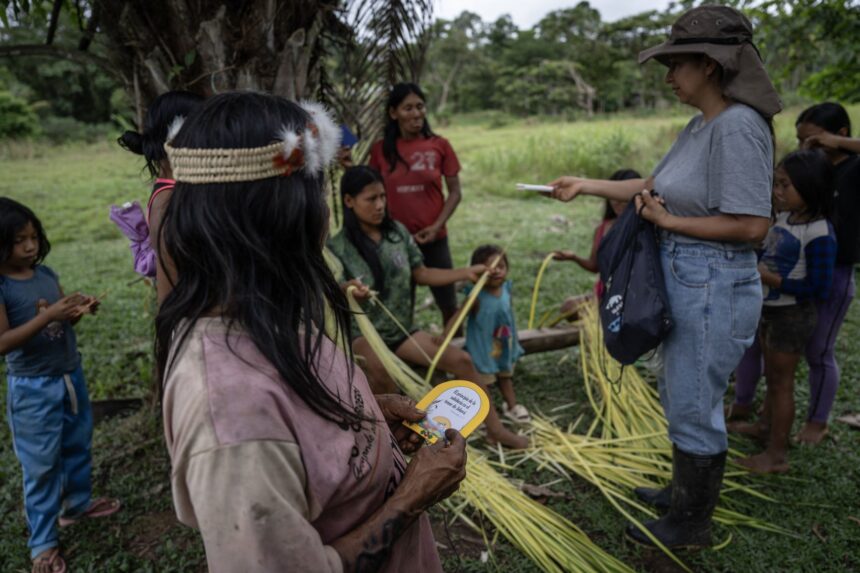
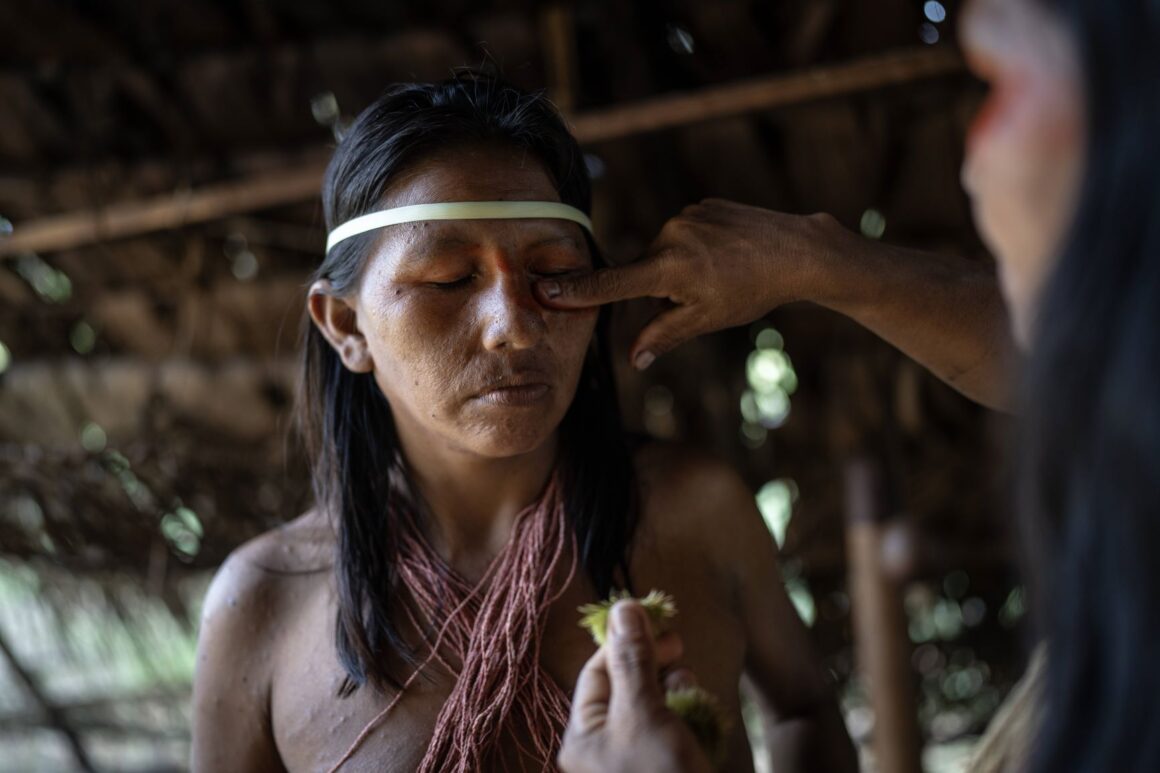
I didn’t want to just show up with my camera, take photos, and leave. I spent six days with the community, and while six days is certainly not enough to fully understand such a rich and complex culture, it gave me a chance to be present with them, listening to their stories, helping with small things, and learning about their traditions.
I was also very fortunate to have a guide, Livio, who has deep knowledge of the Waorani and a long relationship with the community. His presence made a big difference. Because they trust him, it was easier for them to also trust me, and he helped me bridge the gaps in language and cultural understanding. Sometimes that meant just sitting quietly with the elders and letting them decide when to share, or joining the children while they played without photographing right away. And when I did want to take pictures, I asked. I explained what I was working on, why it mattered to share their voices beyond their territory. I think when people feel that you see them as collaborators, not just subjects, that’s when trust naturally grows.
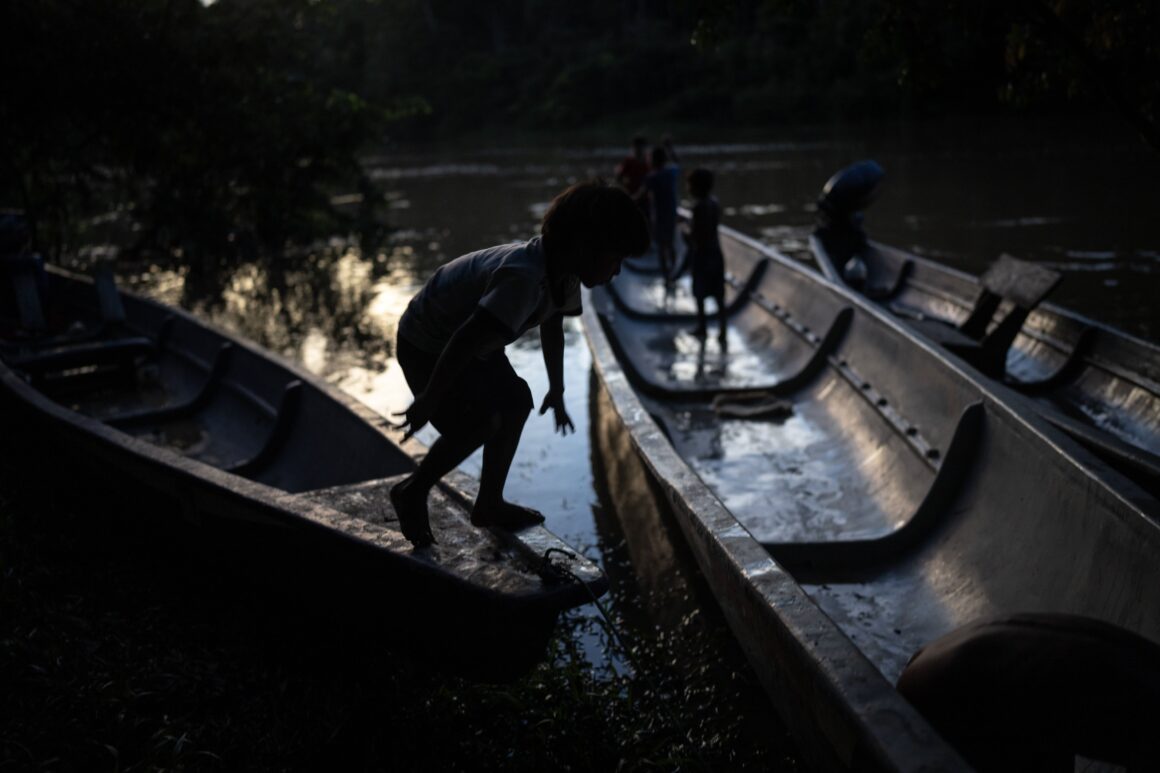
One that I will never forget is watching the children play freely by the river at sunset, completely immersed in their world. It was such a pure expression of joy, but at the same time, I couldn’t help thinking about how uncertain their future is with the pressures surrounding their territory.
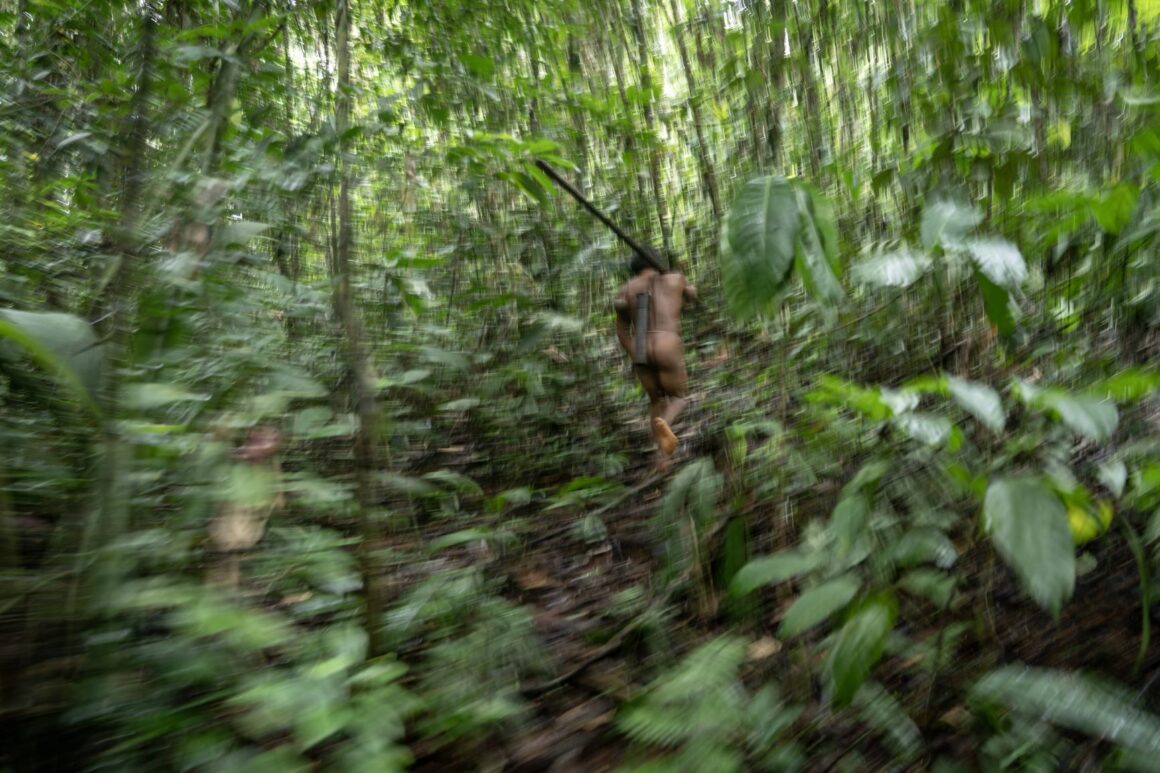
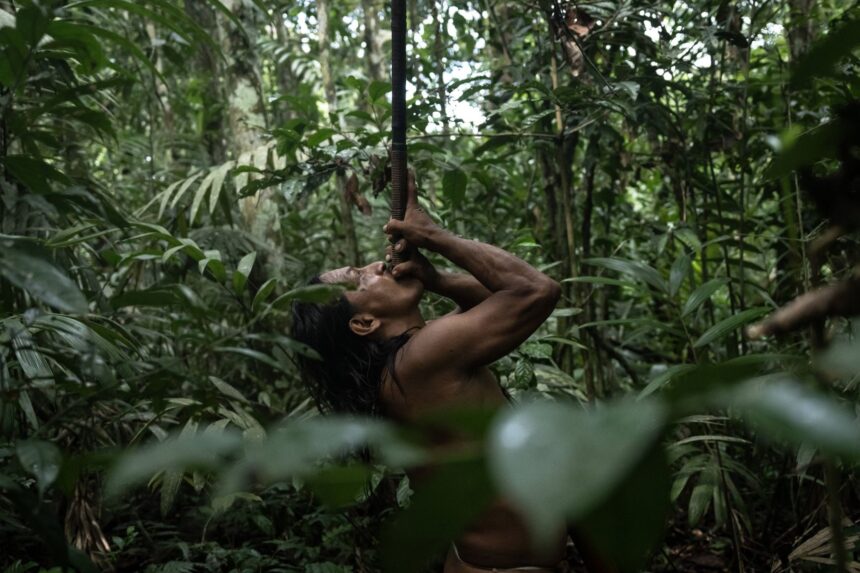
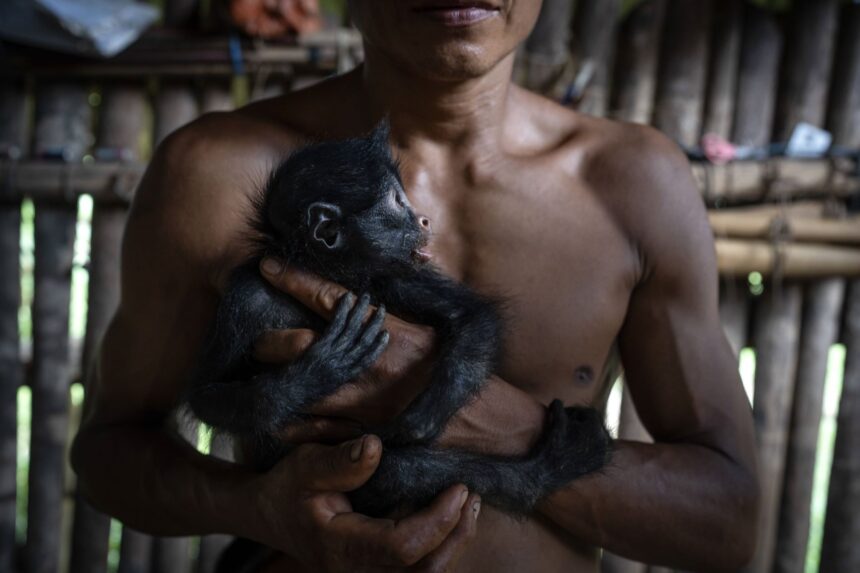
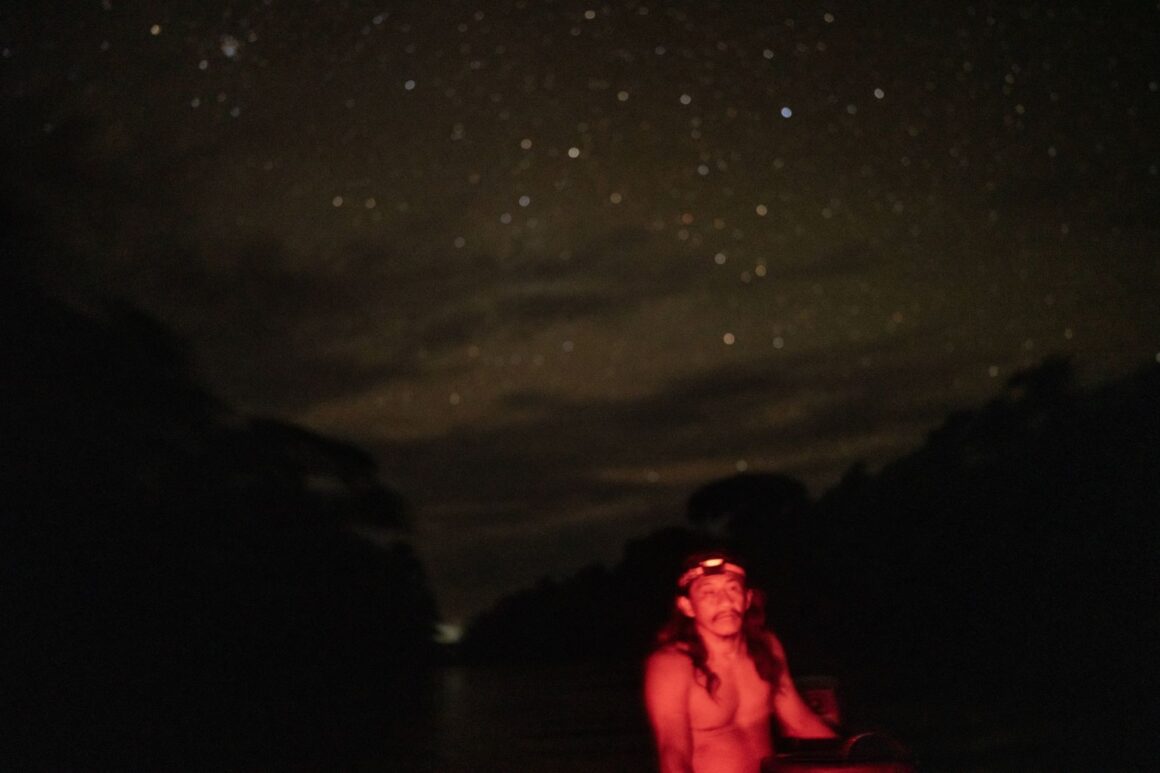
Another lasting moment was going with the Waorani warriors on a hunt. The forest was so dense and quiet that every step and every breath echoed. They moved with incredible silence, almost blending into the trees, and then suddenly one of them would make a call, a bird’s song, a monkey’s cry and the sound would ripple through the forest as if it belonged there. It felt like a conversation between them and the creatures, not just an imitation.
What stayed with me was how natural it all was, how they were completely in rhythm with the forest, hunting only what they needed, showing respect for the animal. It made me see the Amazon not just as a place full of life, but as a living system where humans and nature still speak the same language.
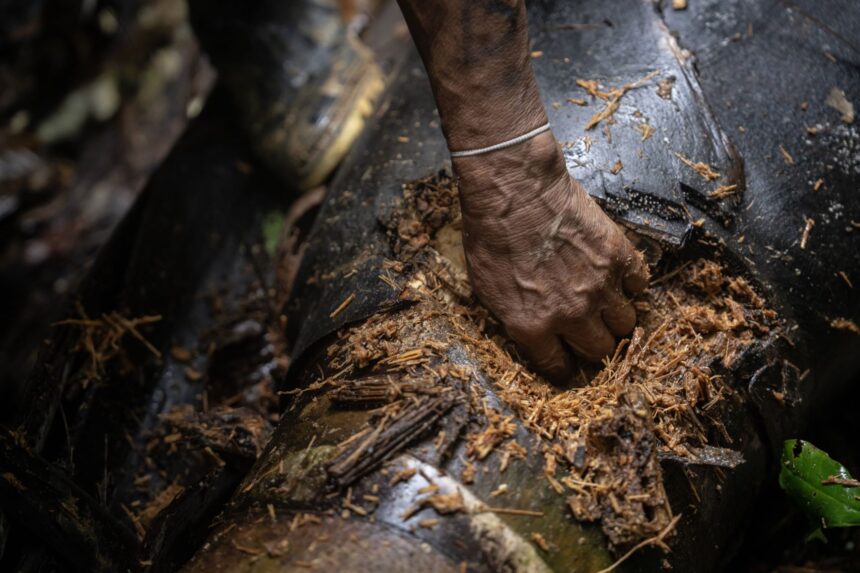
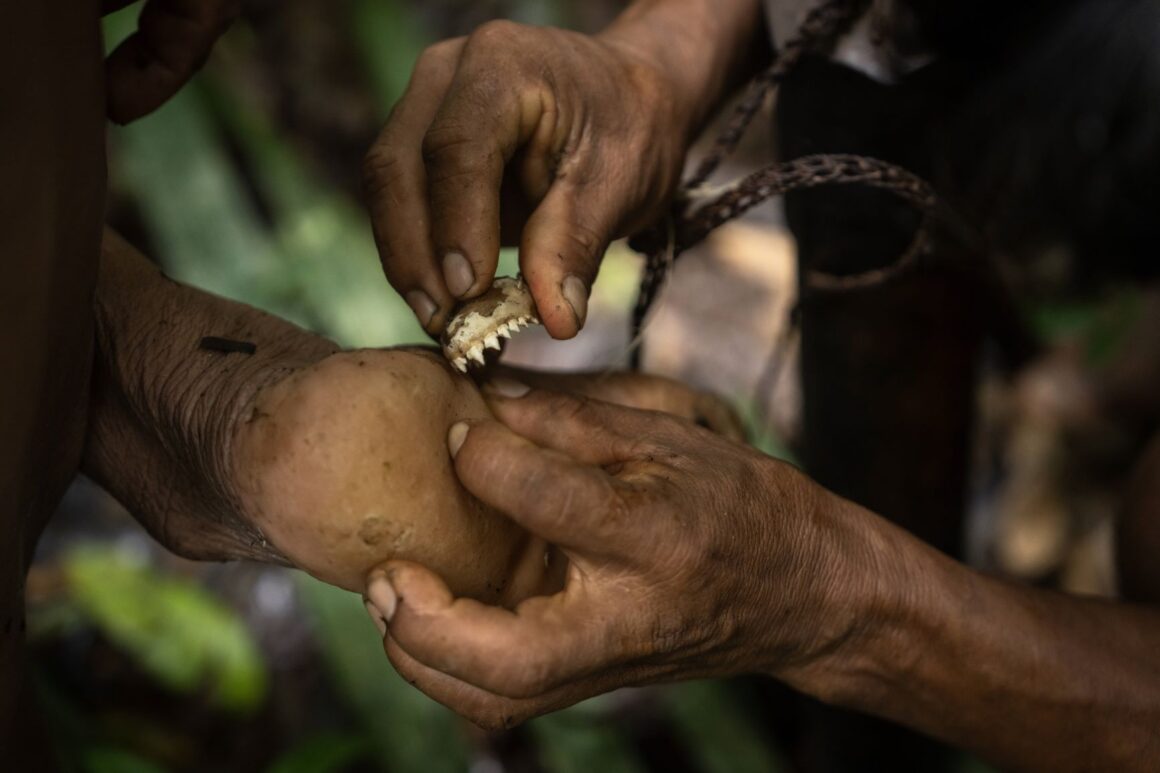
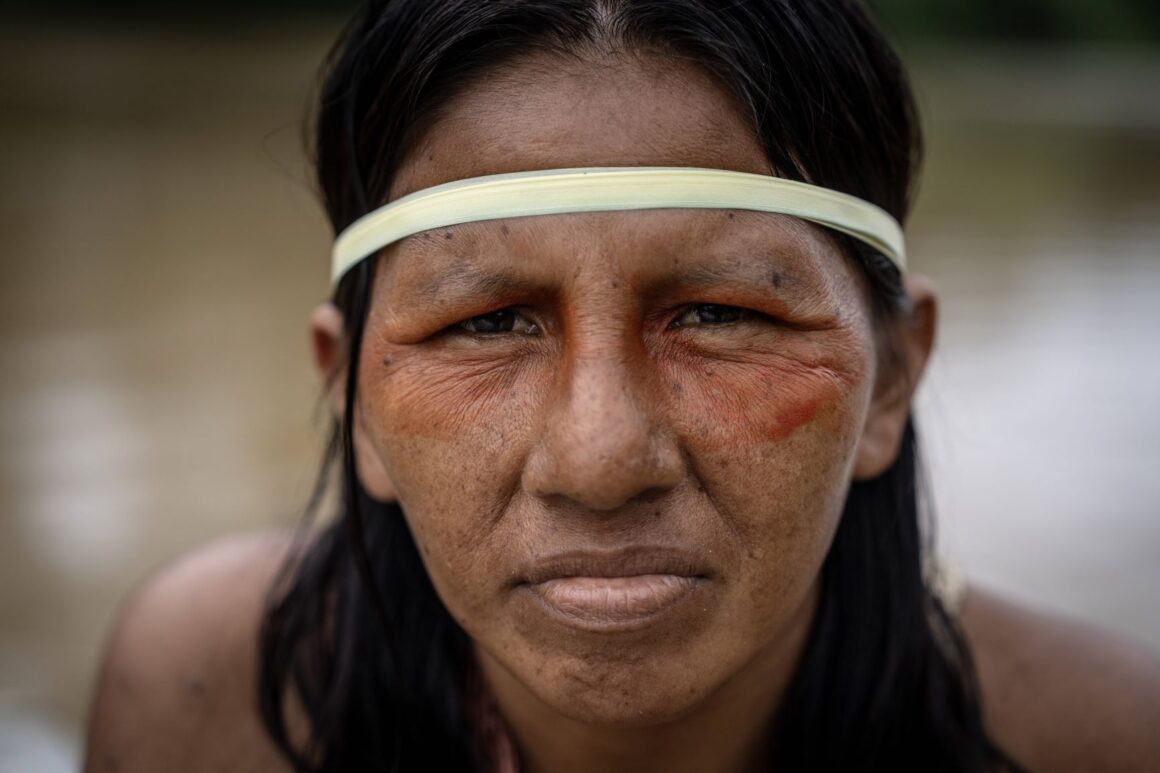
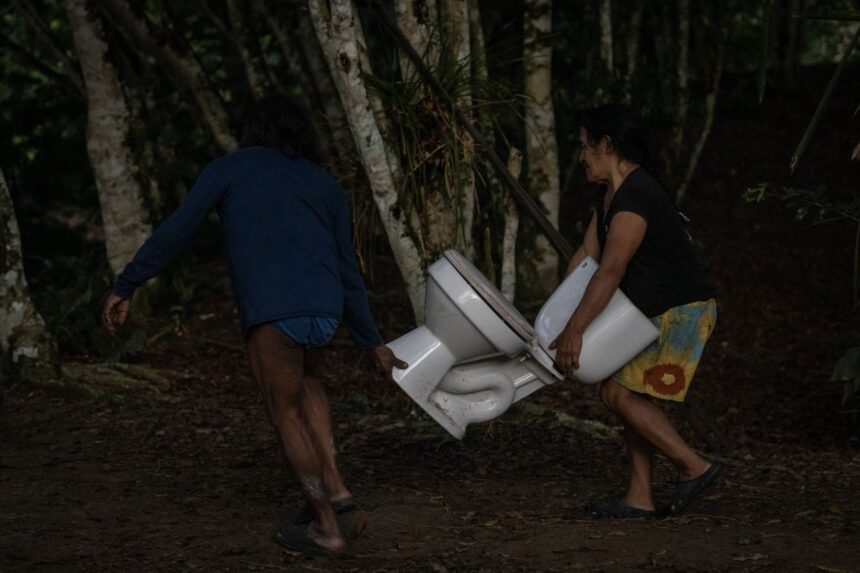
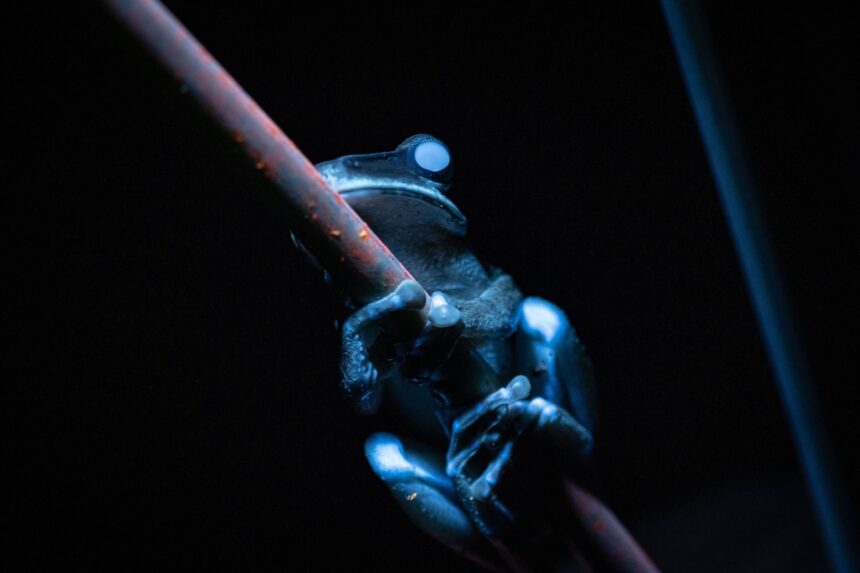
I think what I would emphasize is that the Waorani are not just a community to be “studied” or photographed; they are people who continue to resist, adapt, and preserve their culture despite enormous external pressures. Their struggle is not only about survival, but about protecting a way of life that is deeply tied to the health of the Amazon itself. My hope is that through this project, audiences can see their resilience and recognize that supporting Indigenous voices is essential for the future of our planet.
Photos © MAGO / Anadolu Agency / Ozge Elif Kizil
About the Photographer: Ozge Elif Kizil
Ozge Elif Kizil is an award-winning staff photojournalist for Anadolu Agency, IMAGO’s partner. Her work has taken her to the frontlines of major global stories, from the war in Ukraine to scientific expeditions in Antarctica. She is a recipient of multiple honors for her work, including awards from the prestigious Pictures of the Year (POY) International and the Days Japan International Photojournalism Awards. She holds a degree in photography from Akdeniz University’s Faculty of Fine Arts. She documented the Waorani People of the Amazon for this project in 2025.
See the full photo collection of “Waorani People of the Amazon” by Ozge Elif Kizil via IMAGO.
Cover: MAGO / Anadolu Agency / Ozge Elif Kizil
Read more pieces in The Game Magazine:
War, Resistance, and Hope: Three Years of Ukraine: A Photo Essay by Florian Bachmeier
Stories of Sudanese Refugees Fleeing the War: A Photo Essay by Adrien Vautier