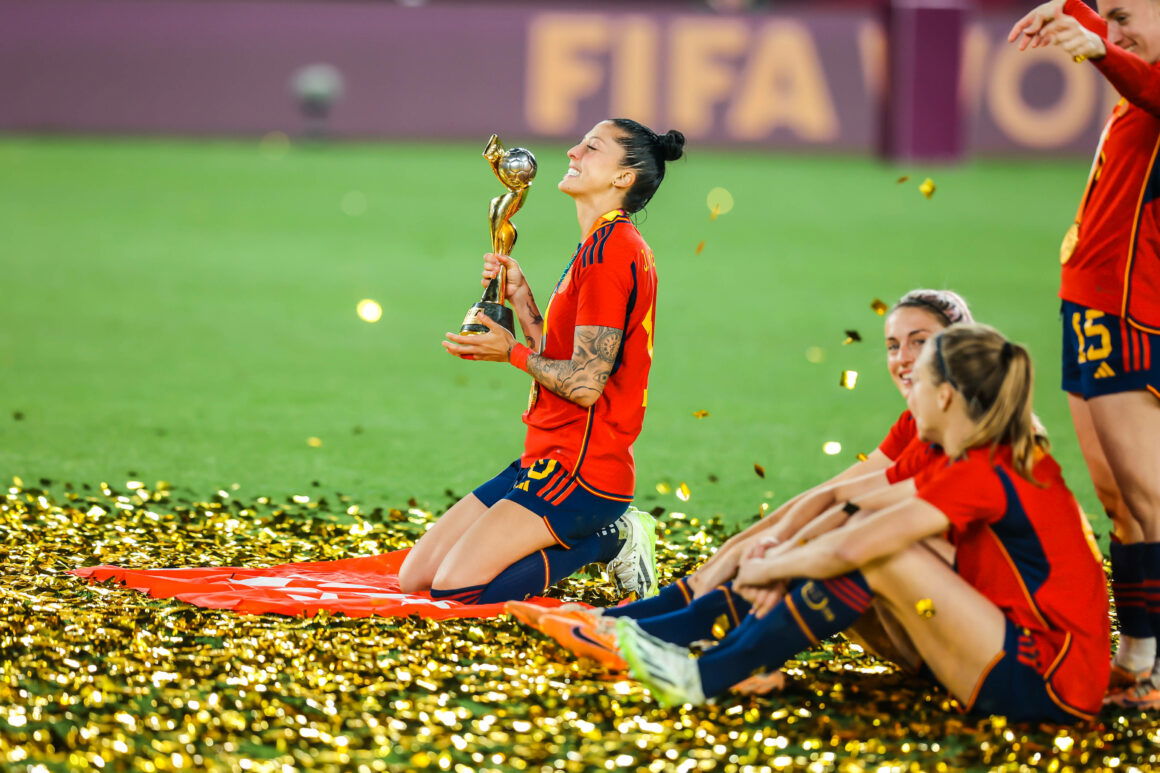

From overlooked beginnings to major tournament contenders, explore the rise of Spanish women’s football and what’s driving their Euro 2025 run.

The Rise of Spanish Women’s Football
How Spain’s Women Changed the Game?
The UEFA Women’s EURO 2025 is here, and Spain’s national team returns to the spotlight, carrying the weight and performance level established through recent victories.
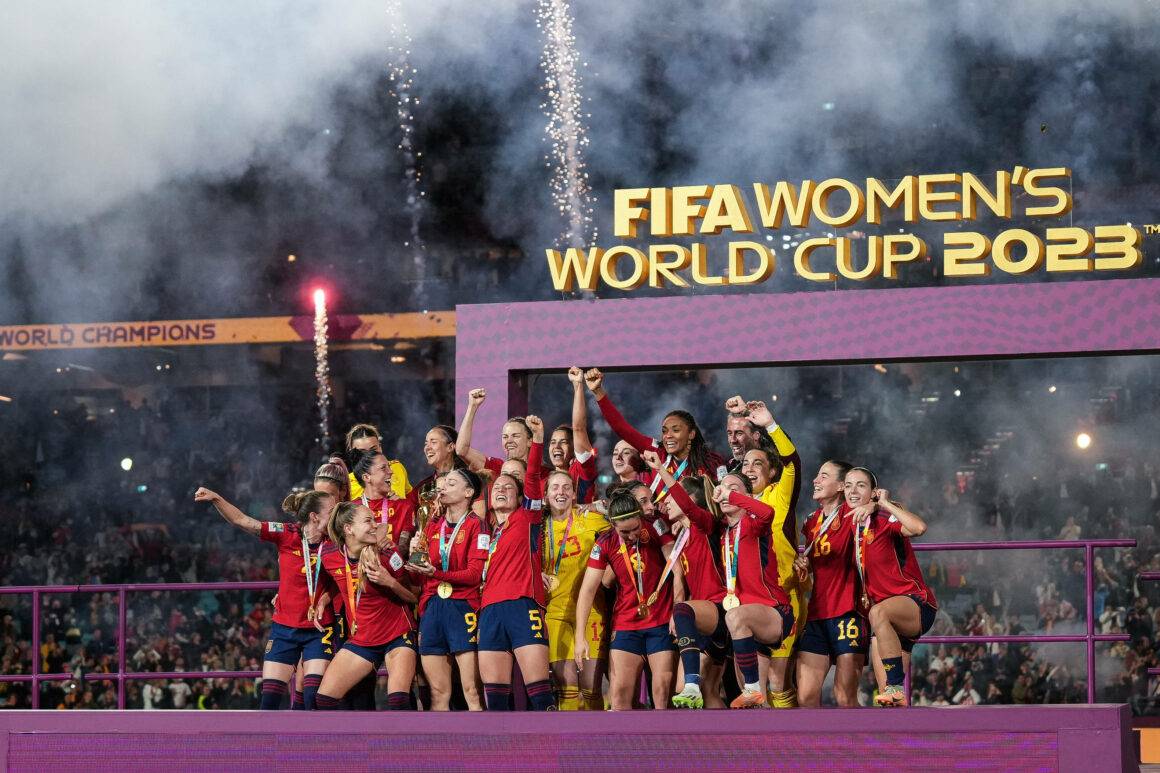
Their triumph in 2023 marked a turning point in the perception and status of women’s football in Spain, a narrative of overcoming long-standing challenges to reach the zenith of global football. This victory was a result of exceptional skill and strategy on the pitch, and a reflection of a cultural shift within Spain, a transformation to recognition and respect.

Impact on Women’s Football in Spain
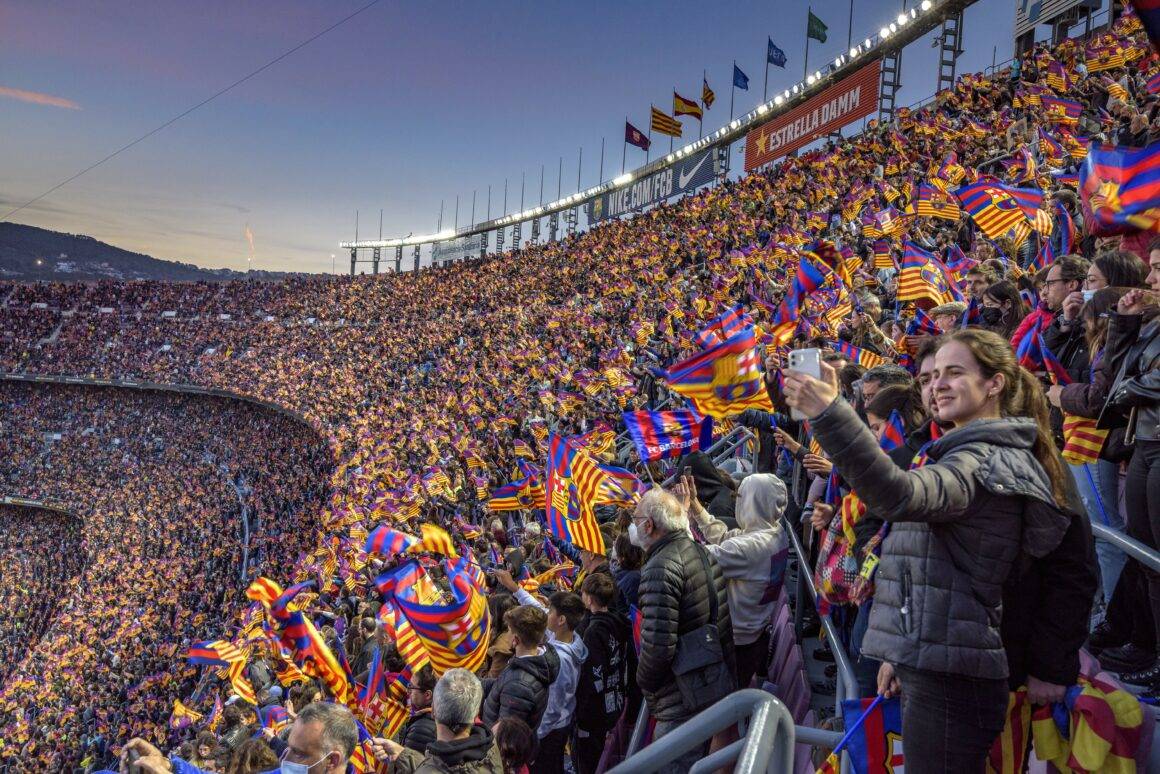
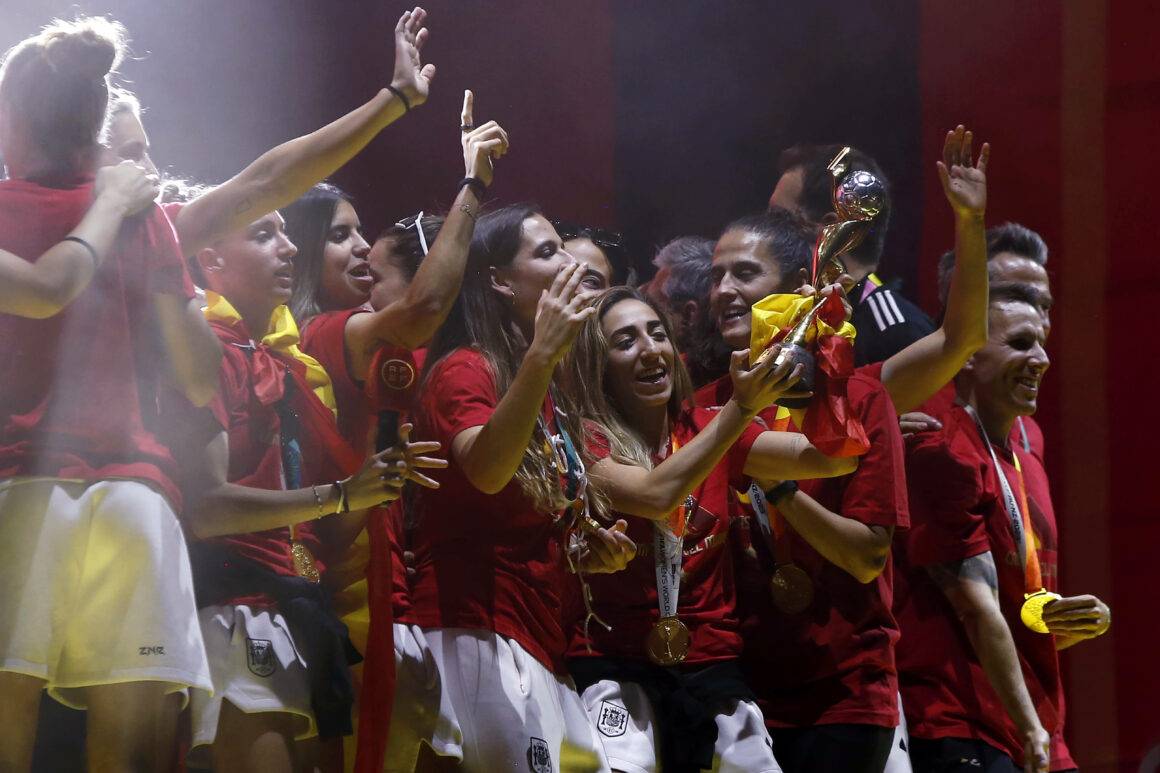
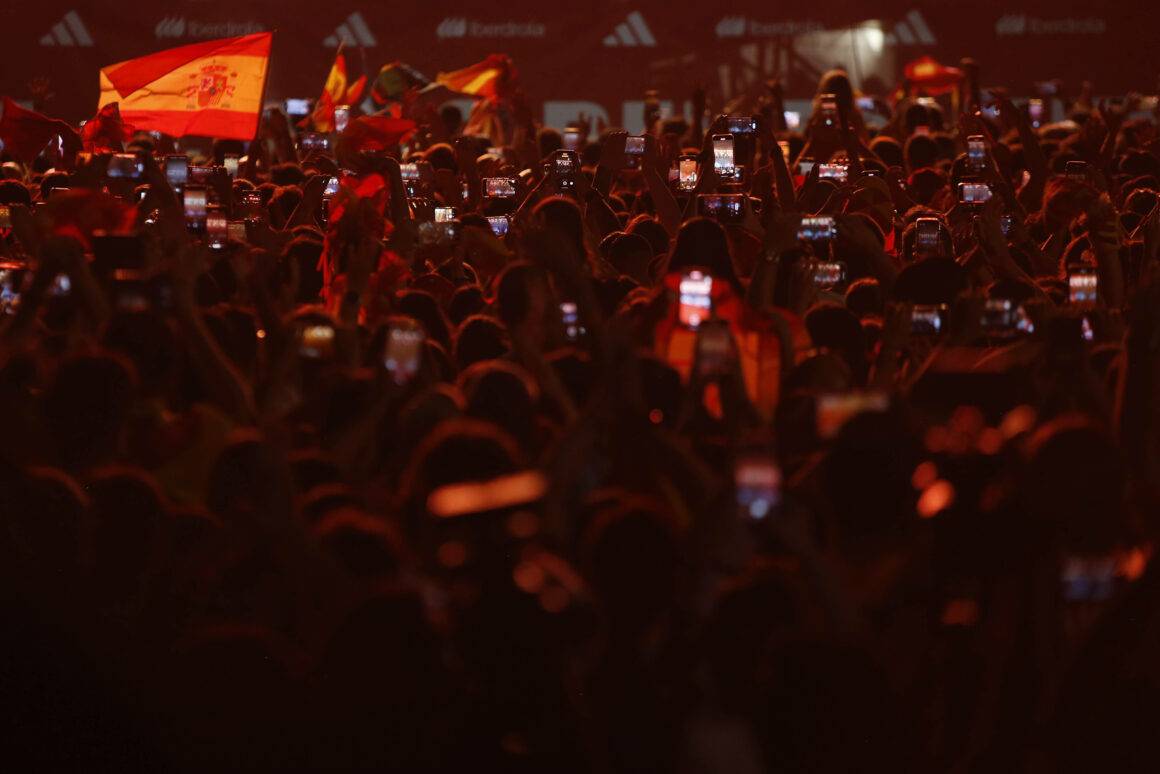
Spain’s World Cup victory has significantly boosted the profile of women’s football in Spain. The 2023 World Cup final drew over 5.6 million Spanish TV viewers (peaking at 7.4 million), the highest ever audience in Spain for a women’s game. The country also witnessed large-scale festivities in Madrid, with thousands of supporters pouring into the streets to celebrate the win. Such widespread enthusiasm indicates a growing parity in recognition and passion for women’s football, narrowing the historical gap with the men’s game. What was once a niche is now mainstream: media coverage has expanded, stadium attendances are climbing, and the general public is embracing the women’s team as national heroes.
Young Talent and Future Prospects
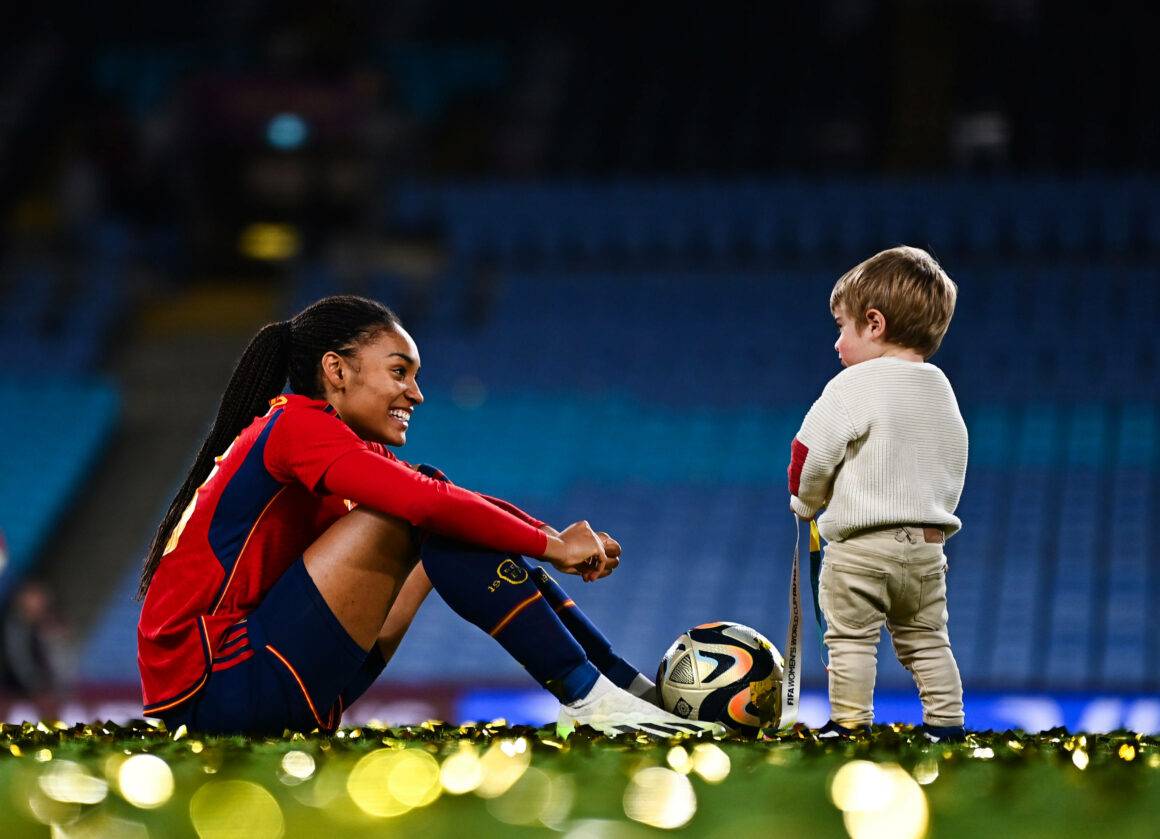
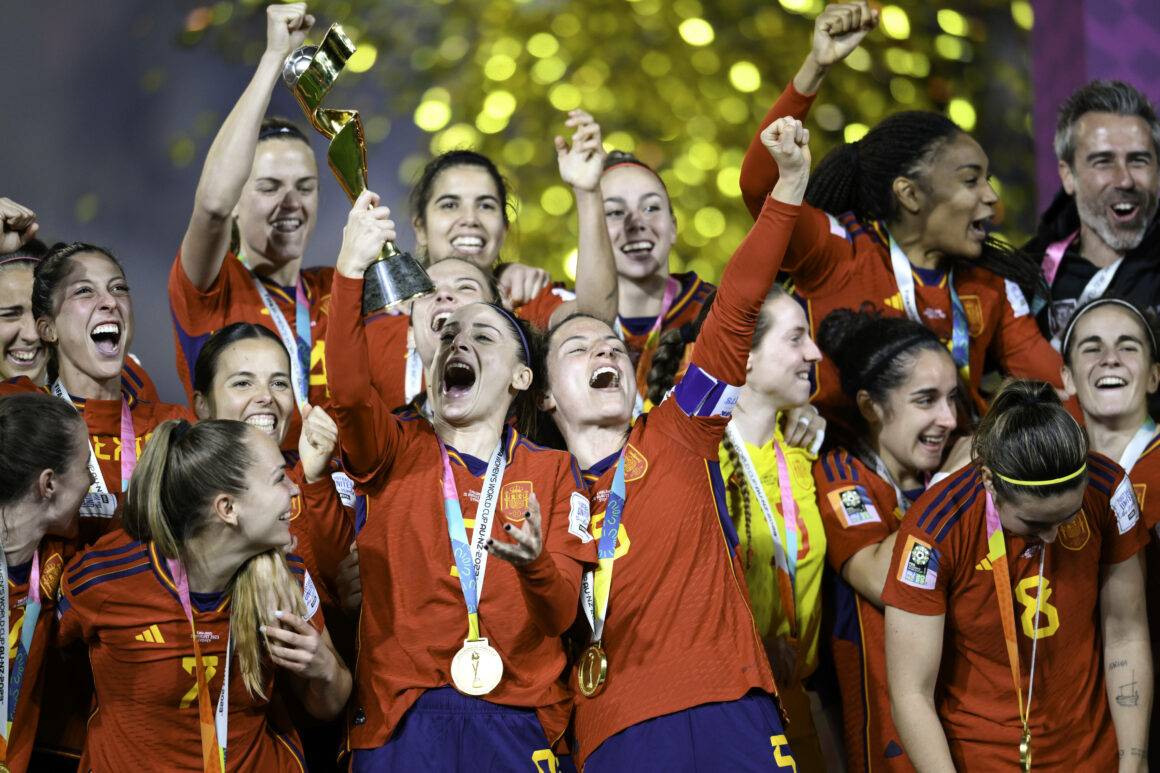
One key to Spain’s success is the emergence of young talent, which bodes well for the future of Spanish women’s football. The World Cup squad featured rising stars like Salma Paralluelo, who at 19 years old won the tournament’s Best Young Player award, reflecting the depth of talent in the pipeline. These young players stepping up in high-pressure moments highlight the strength of Spain’s youth development system. Elite academies, most notably FC Barcelona’s La Masia, have invested in female footballers and produced global stars such as Aitana Bonmatí and Alexia Putellas. The coordinated growth of girls’ academies across Spain means a continuous flow of skilled players ready to perform on the international stage. As a result, the team’s core is rejuvenated with each generation, ensuring that Spain will remain competitive for years to come.
Cultural and Social Impact
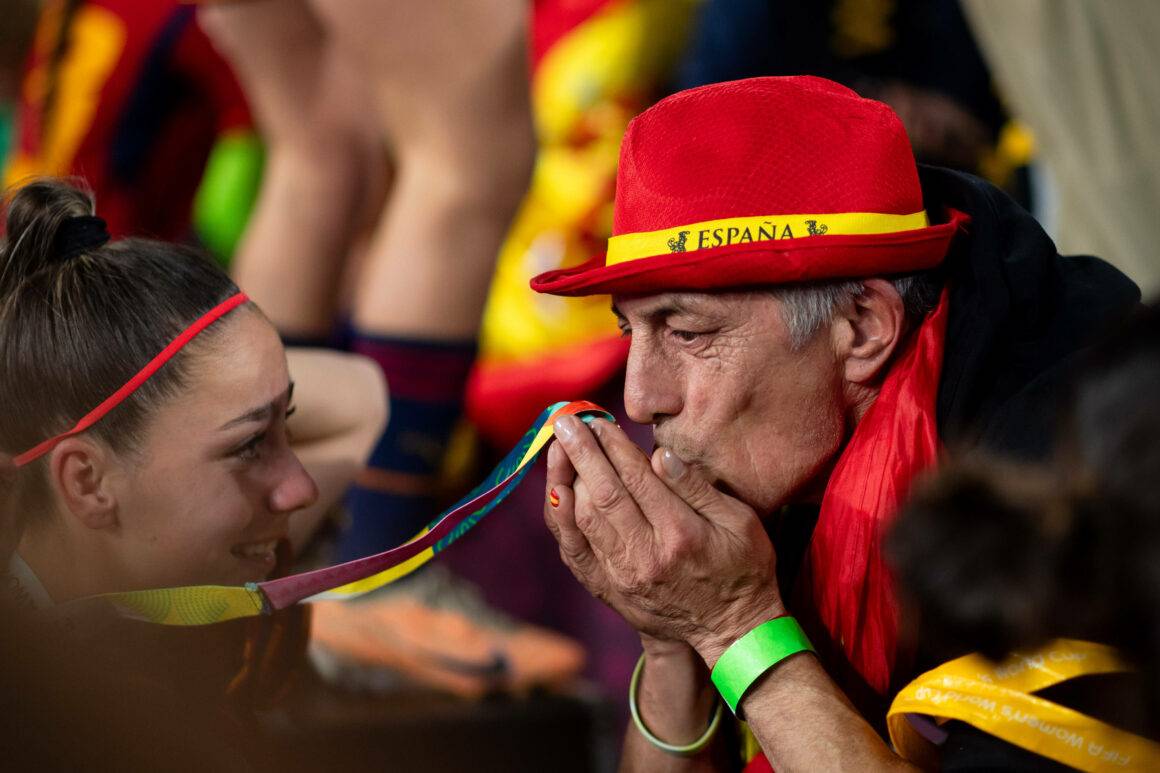
Beyond the pitch, Spain’s recent achievements have sparked a broader cultural and social impact. The World Cup triumph challenged long-standing gender norms, showing that football is not “just a man’s game” in Spain. Public opinion has shifted: women’s football is now discussed with fervor and respect, and female players are celebrated as role models.
This cultural shift shows how the surge of girls taking up the sport at the grassroots level. Indeed, the number of registered female players in Spain nearly doubled from around 44,000 in 2014 to about 88,000 by 2023. This reflects a new wave of enthusiasm among young girls.
The image of the world champions lifting the trophy has inspired countless children, and local clubs report increasing enrollment of girls in youth teams. Spain’s women have shown that with more support, they can draw massive crowds and unify the country in celebration, just as their male counterparts do. The conversation about gender equality in sports has gained momentum, with more focus on providing equal facilities, media coverage, and opportunities for women’s teams.
Economic Growth and Sponsorship in Spanish Women’s Football
Hand-in-hand with cultural change, there has been significant economic growth and sponsorship interest in Spanish women’s football. In recent years, corporate sponsors and broadcasters have more recognized the sport’s commercial potential. For instance, Spain’s domestic women’s league (now known as Liga F) secured a landmark broadcasting deal, bringing more matches to television and increasing revenue for clubs. The Royal Spanish Football Federation and government sports bodies have also directed more funding toward the women’s game, and saw it as a worthwhile investment.
This influx of support has improved infrastructure, salaries, and professional opportunities for players. Notably, Spain’s top clubs such as FC Barcelona, Real Madrid, Atlético Madrid and others, have expanded their women’s programs, attracting sponsorships and larger crowds. Success on the field has further driven this growth: merchandise sales for women’s team jerseys spiked after the World Cup win, and more brands are featuring female players in marketing campaigns. All these developments contribute to a virtuous cycle. Better funding leads to better training and facilities, which in turn help teams perform at a higher level, attracting even more fans and sponsors.
Key Moments in Spanish Women’s Football
Here are some major highlights of the Spanish women’s football team over the past decade.
Youth Teams’ Success (2010-2018)
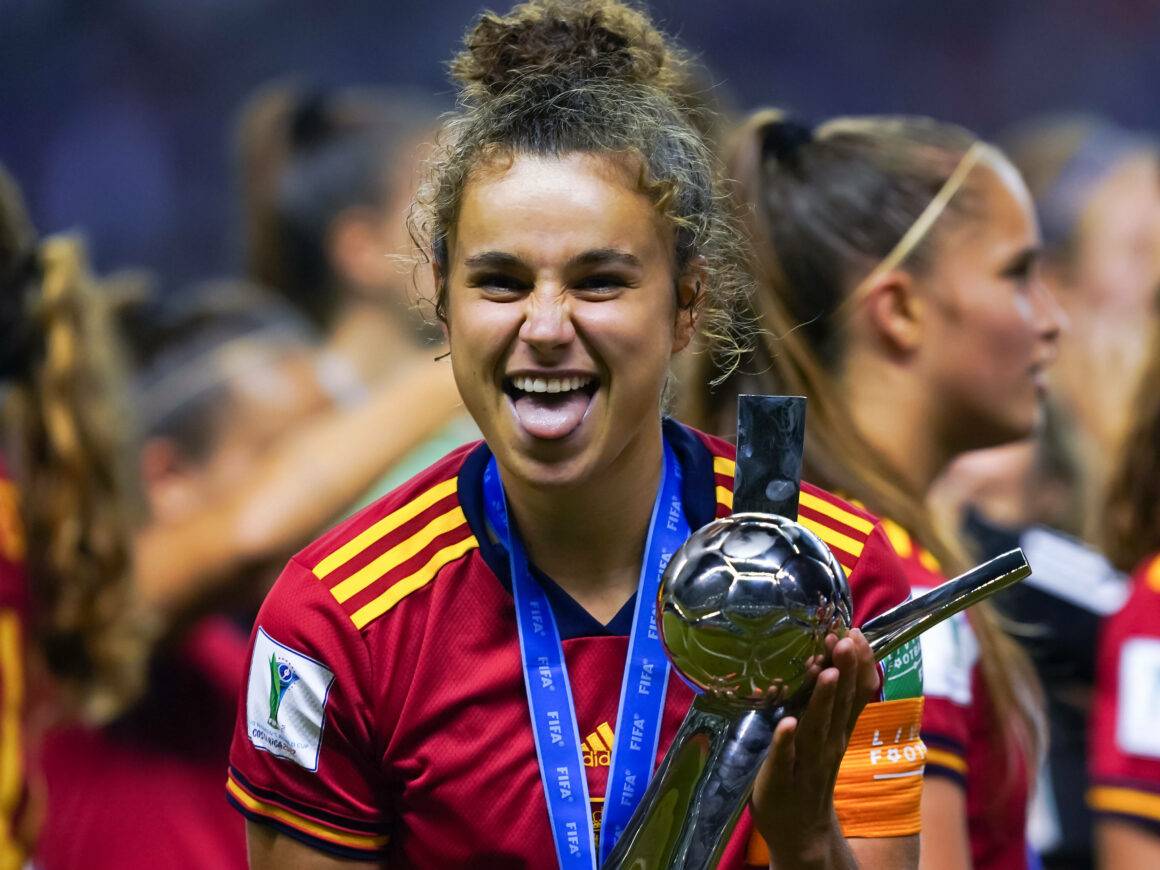
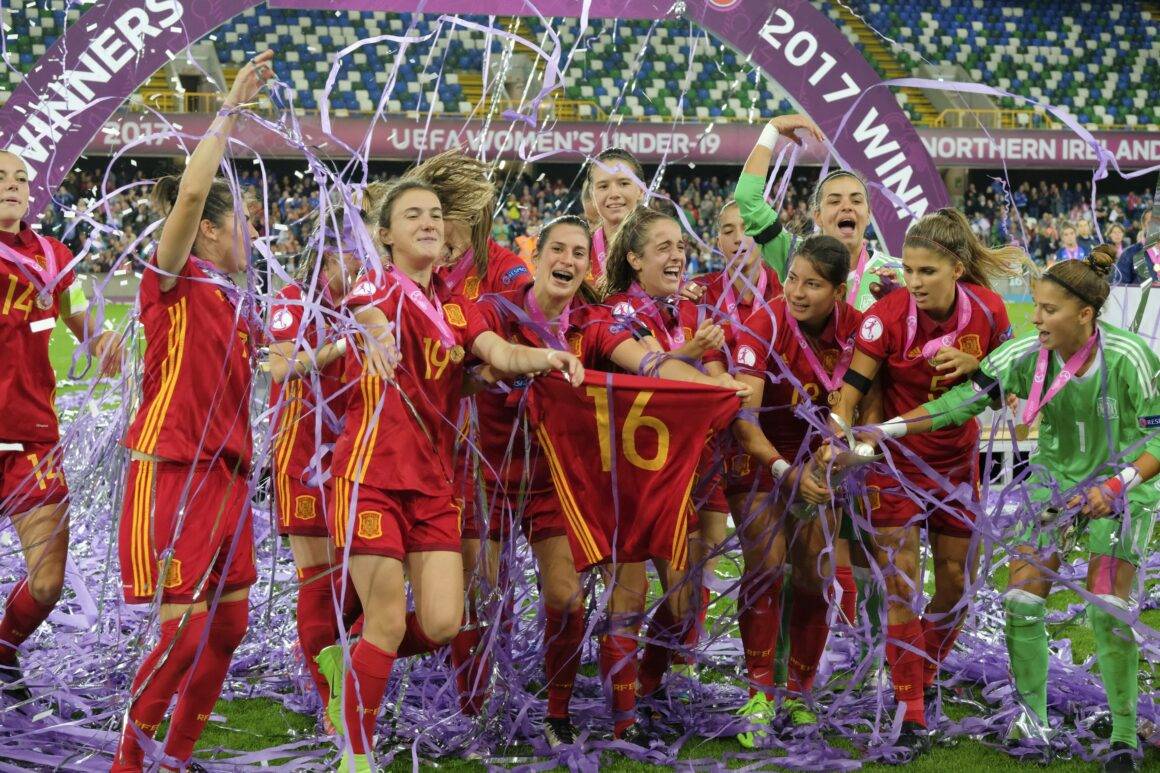
Spain’s youth national teams have seen remarkable success, with the U-17 team winning the U-17 European Championship multiple times (2010, 2011, 2015, 2018) and the U-17 World Cup (2018, 2022). The U-19 team also won the UEFA U-19 European Championship in 2004, 2017, 2018, 2022, and 2023, highlighting the depth of young talent in Spanish women’s football.
First FIFA World Cup Qualification (2015)
In 2015, the Spanish women’s football team qualified for the FIFA World Cup for the first time in history. This was a landmark moment for the team, signaling their arrival on the world stage and the start of a new era in Spanish women’s football.

Professionalization of the League (2020)
The professionalization of the Primera Federación, Spain’s second-tier women’s football league, in 2020 marked a significant step in the development of the sport in the country. This move towards professionalism has helped enhance the quality and competitiveness of women’s football in Spain.
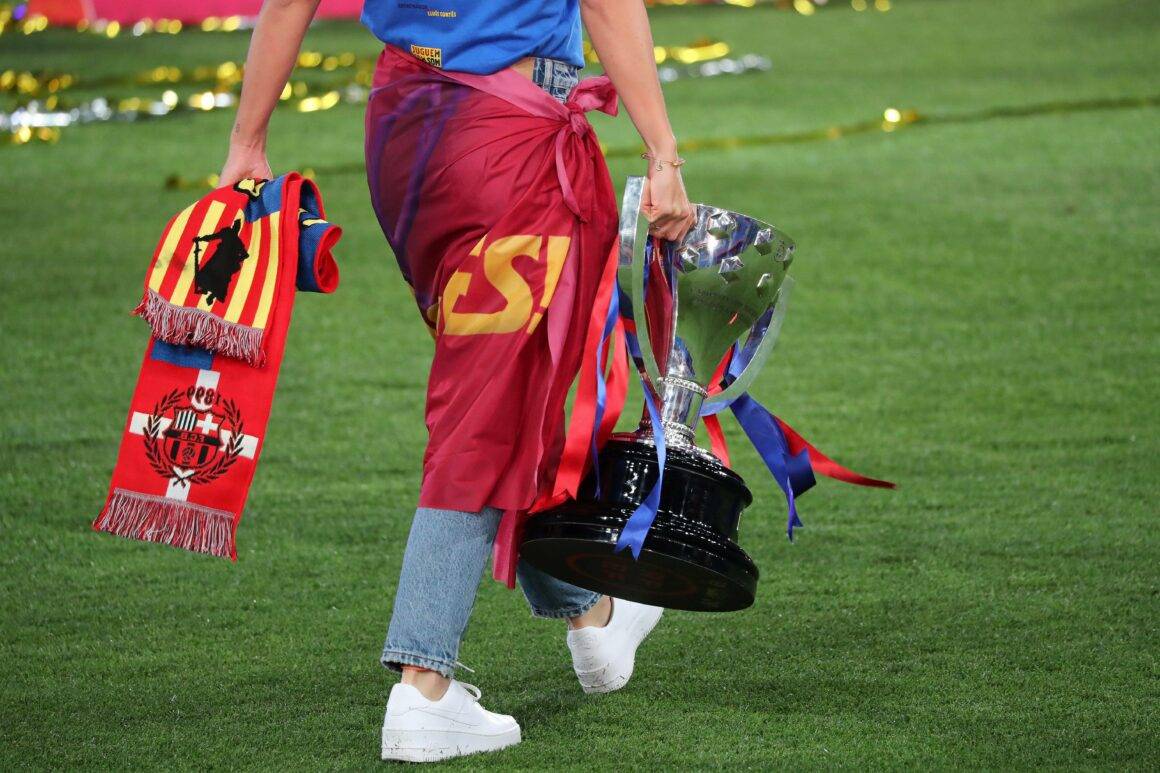
Rise in FIFA World Rankings (2021)
In 2021, the Spanish women’s football team reached a significant milestone by entering the top 10 of the FIFA World Rankings for the first time. This achievement was a testament to the team’s growing prowess and consistency on the international stage.
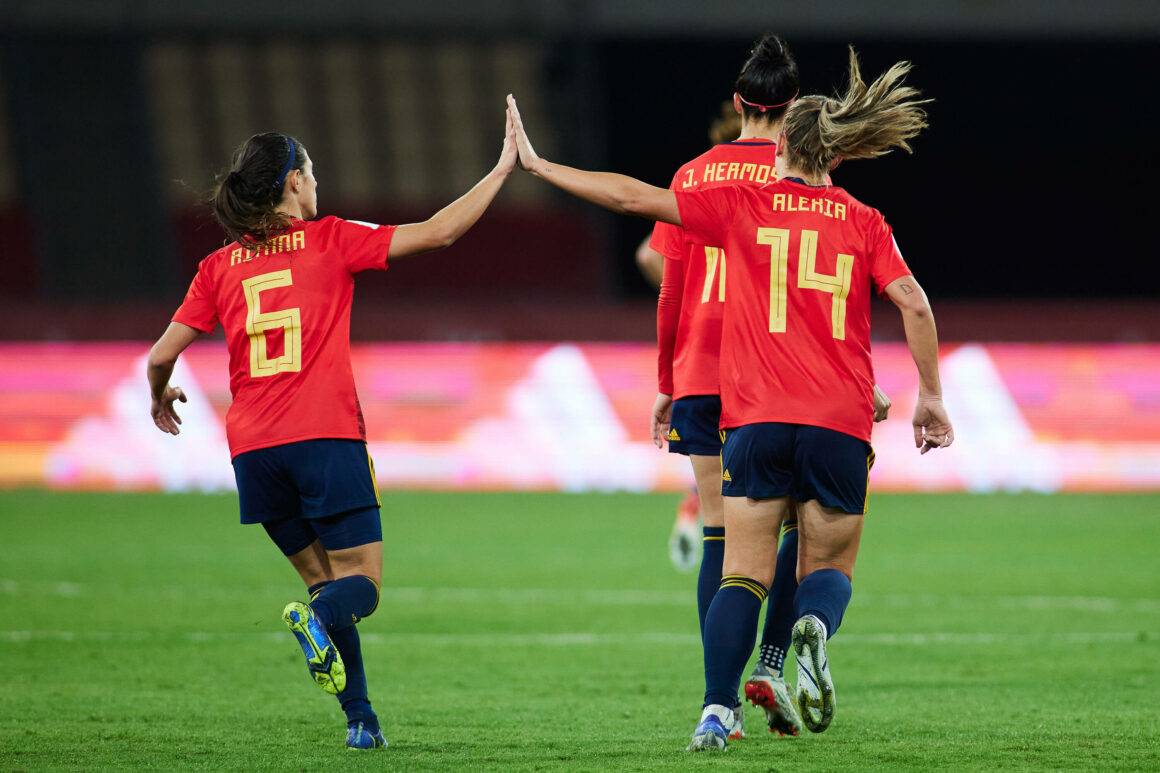
FC Barcelona’s Rise to the Top of Europe, Champions League Winner (2020/21, 2022/23)
Since the club’s professionalization in 2015, Barcelona have also become Spain’s most successful team in the UEFA Women’s Champions League, becoming the first Spanish UEFA Women’s Champions League winners in 2020/21, making FC Barcelona the first club to win a Champions League title with both their men’s and women’s teams. Their dominance continued, securing the title in the latest edition of the UWCL in 2022/23.
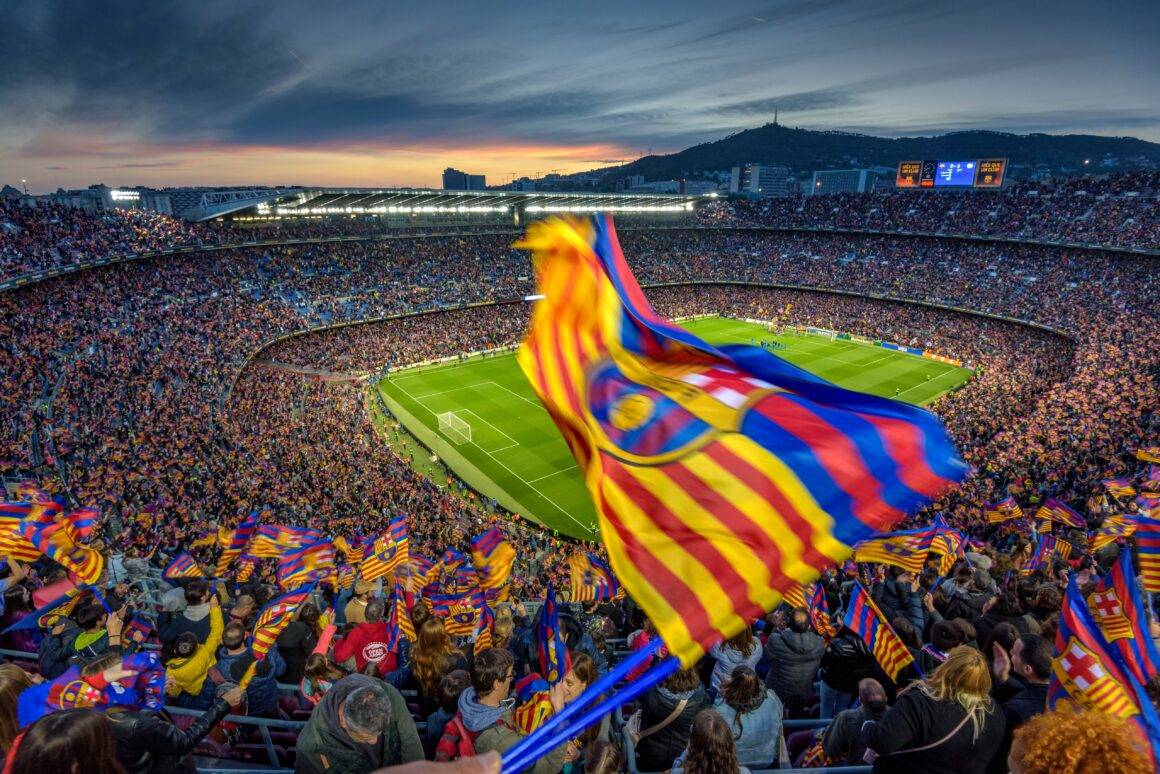
Historic World Cup Victory for Spanish Women’s Football (2023)
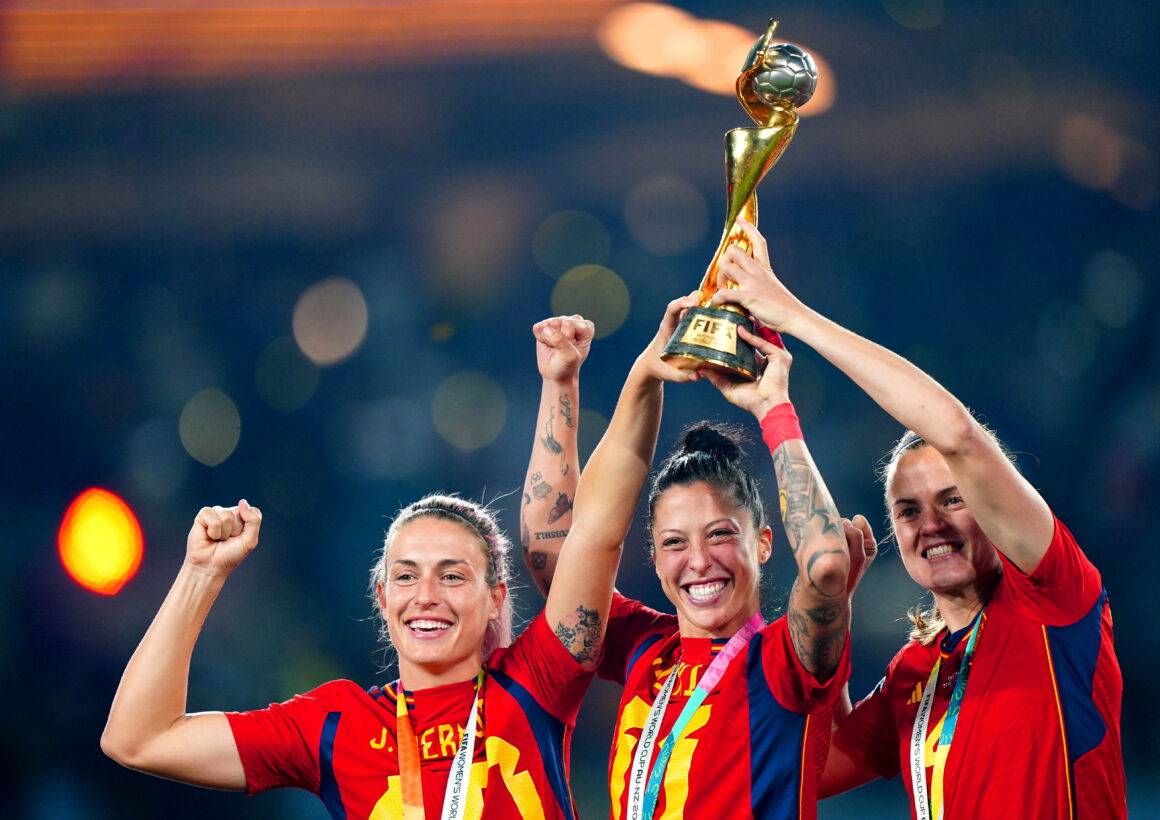
Spain’s women’s football team achieved its greatest accomplishment by winning the 2023 FIFA Women’s World Cup. This victory was not just a triumph on the field but also a significant cultural moment in Spain, challenging gender norms and boosting the popularity and visibility of women’s football in the country.