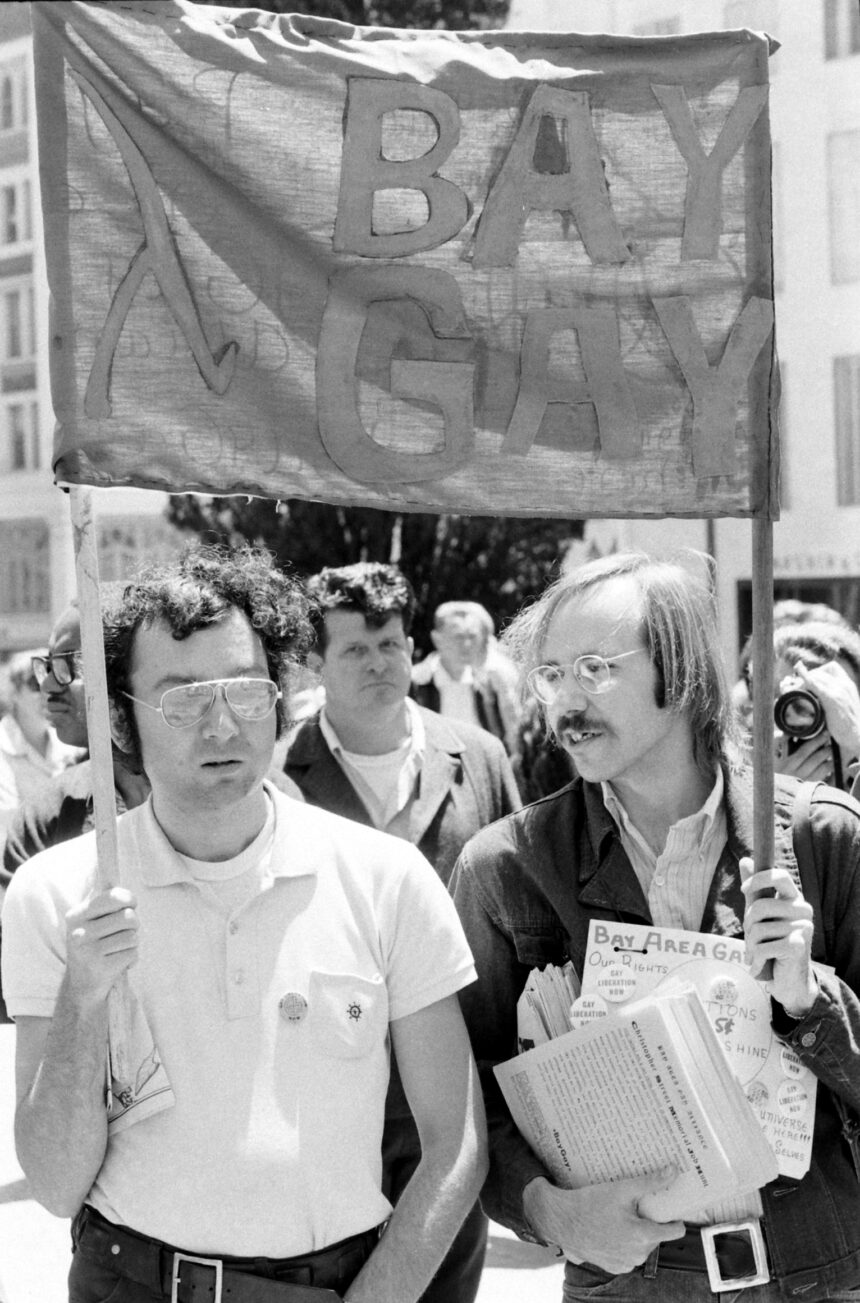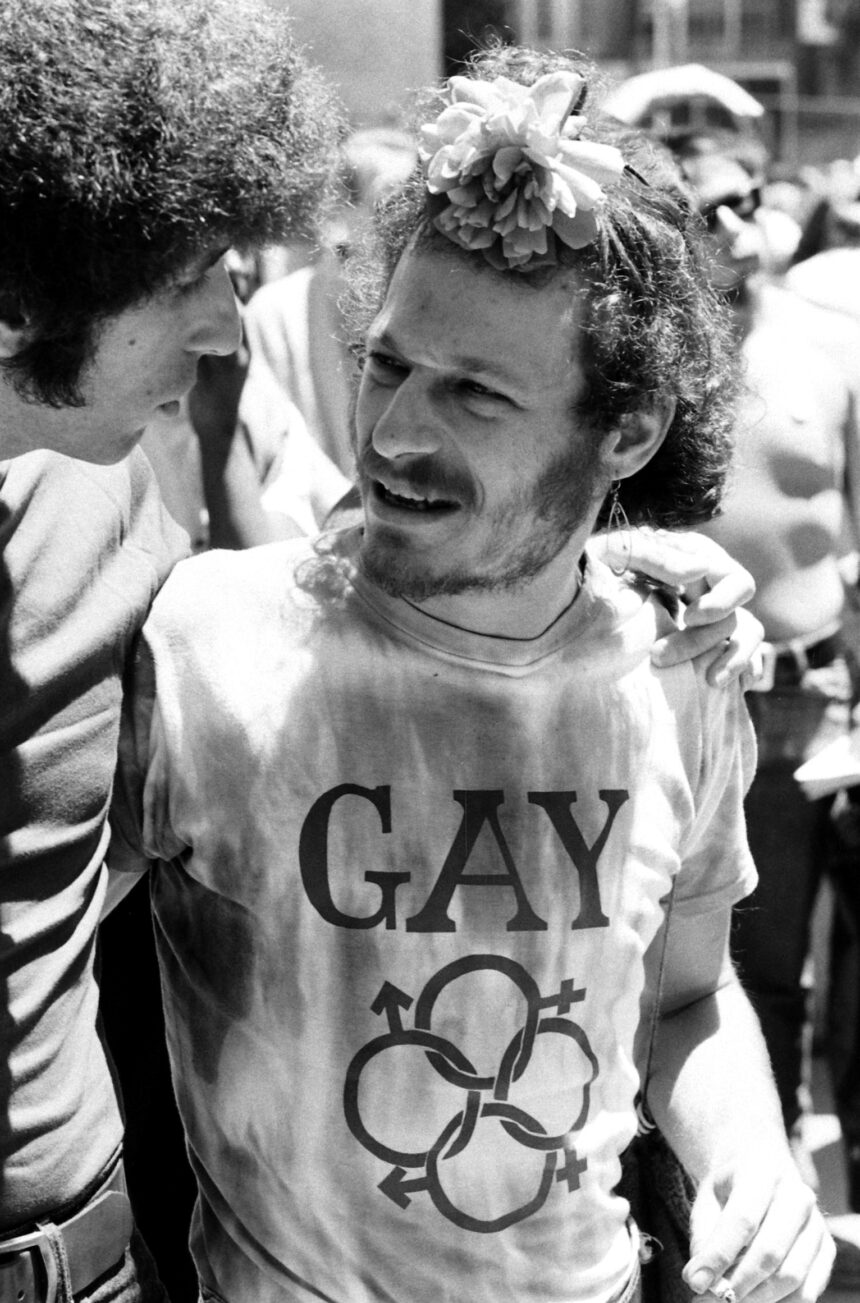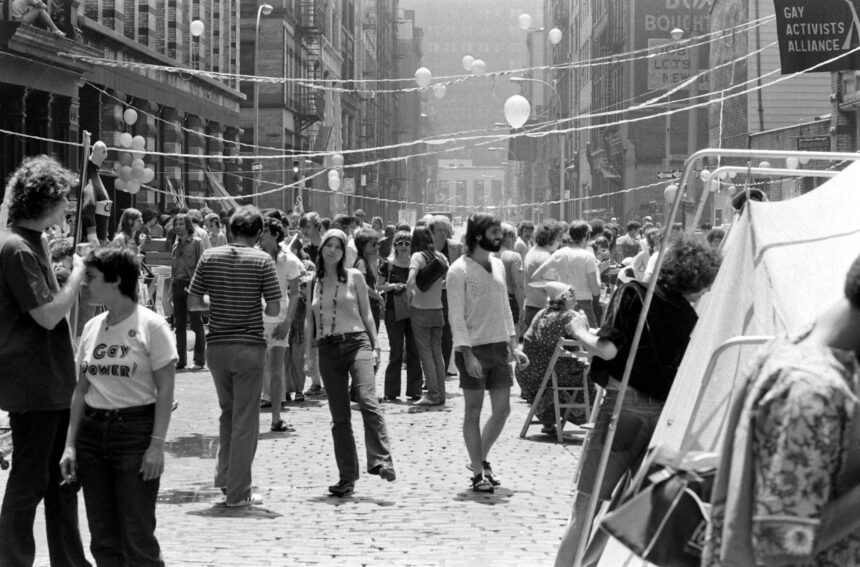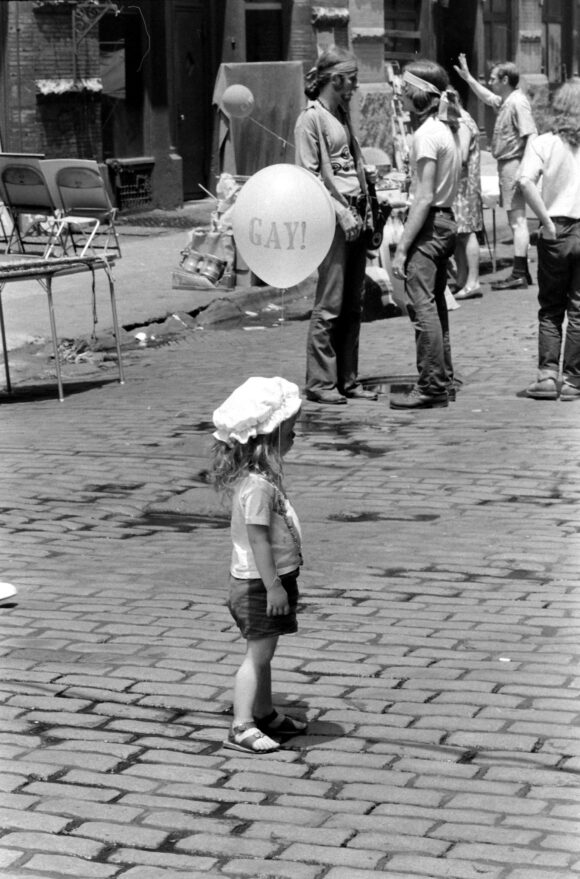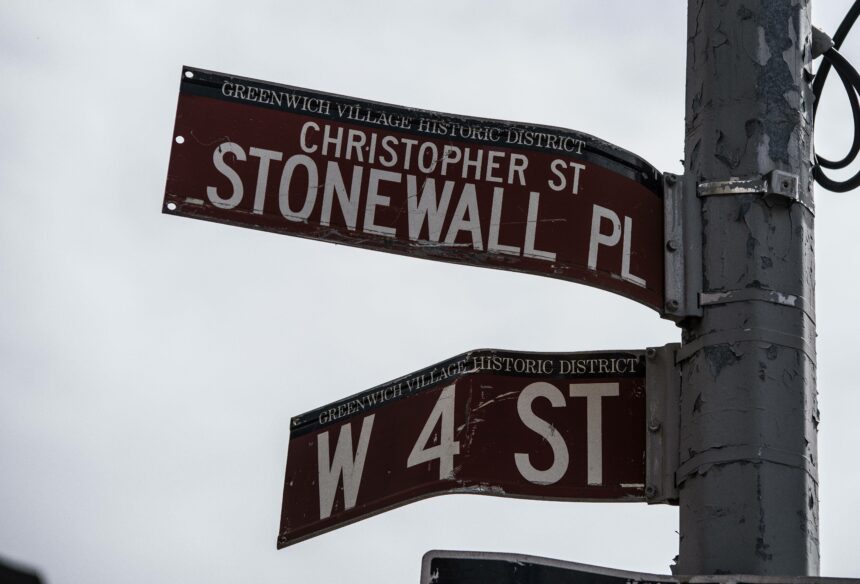

The Stonewall Riots of 1969 were one of the most important moments in LGBTQ+ history, believed to be the start of the modern gay rights movement and Christopher Street Day. Read how it all started and view photos of activism in the 1970s.
The Stonewall Riots and Christopher Street Day
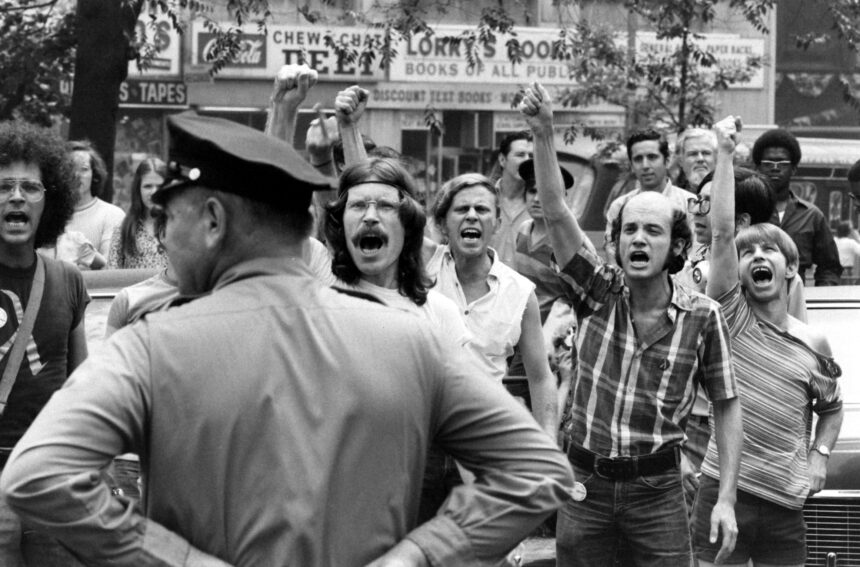
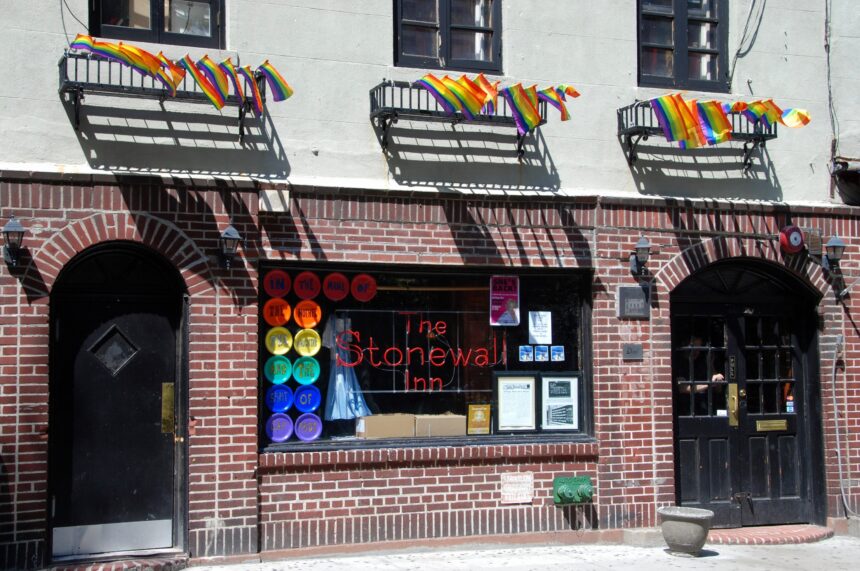
It all started from a popular gay bar in New York City at the end of the 60s: Stonewall Inn. On June 28, 1969, the police raided the bar. At the time, police harassment of gay bars was usual and not an isolated incident. But what was unusual that night was that the patrons decided to resist. And apparently, they didn’t know their resistance and what they were doing would be the start of the modern gay movement.
The raid began with the police demanding identification and arresting those whose gender presentations they believed did not match the IDs. Patrons who refused to comply were forcefully handled. This sparked the anger of the crowd outside. A lesbian being hit by an officer and her subsequent call for action ignited the crowd. This led to the throwing of objects and a full-blown riot. The confrontation lasted for hours, with the crowd significantly outnumbering the police, who eventually retreated and barricaded themselves inside the bar.
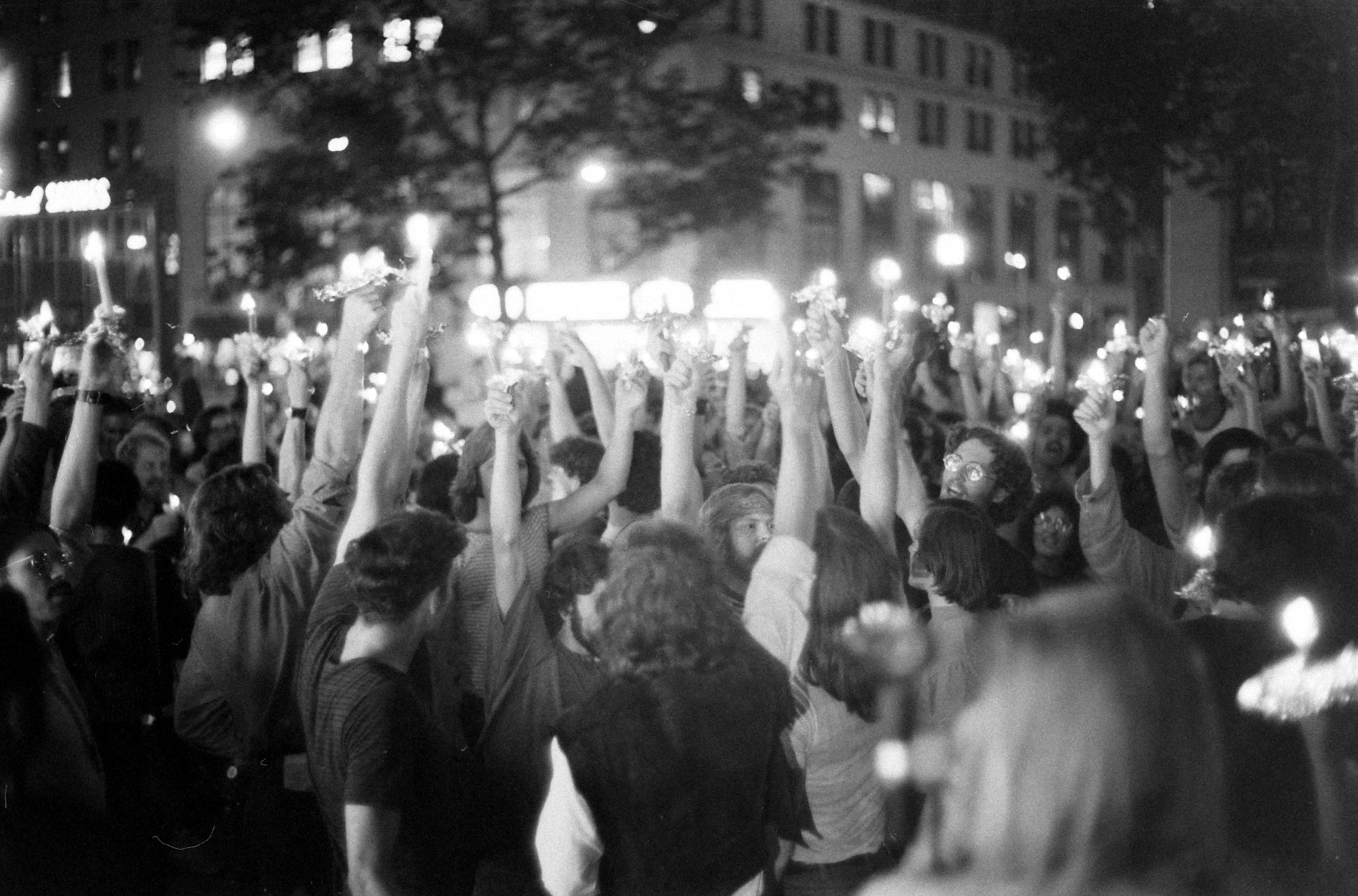
The riots continued for several days, and more people joined the protests. These events reformed the LGBTQ+ community and led to the formation of many advocacy groups and organizations. In the 1970s, these organizations, demonstrations, and campaigns significantly raised the visibility of LGBTQ+ issues.
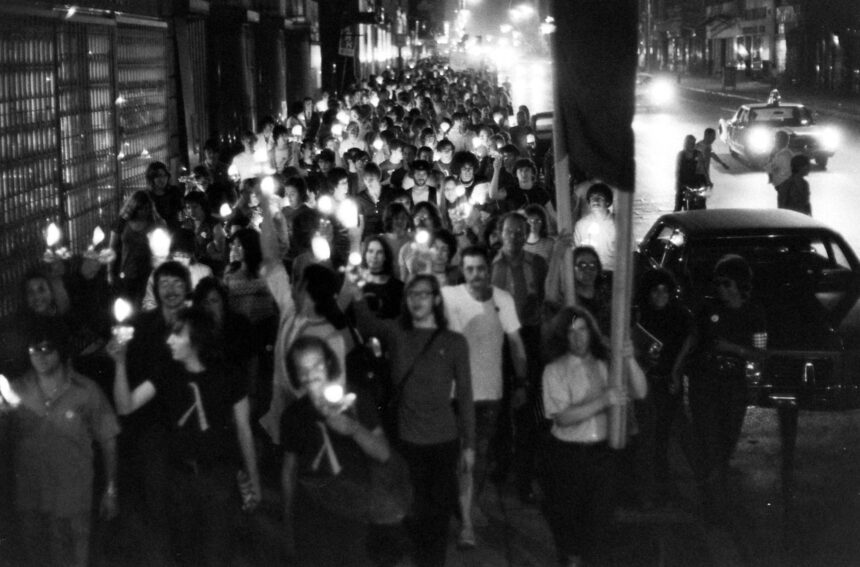
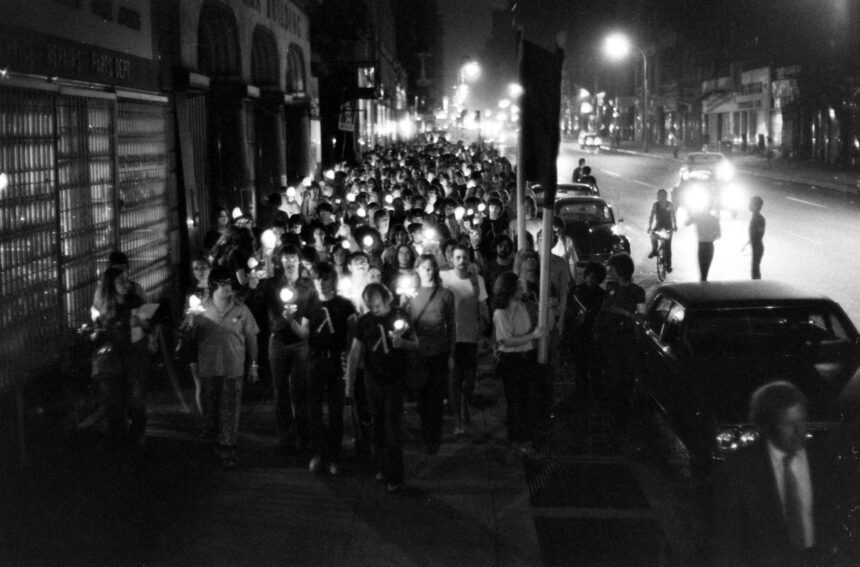
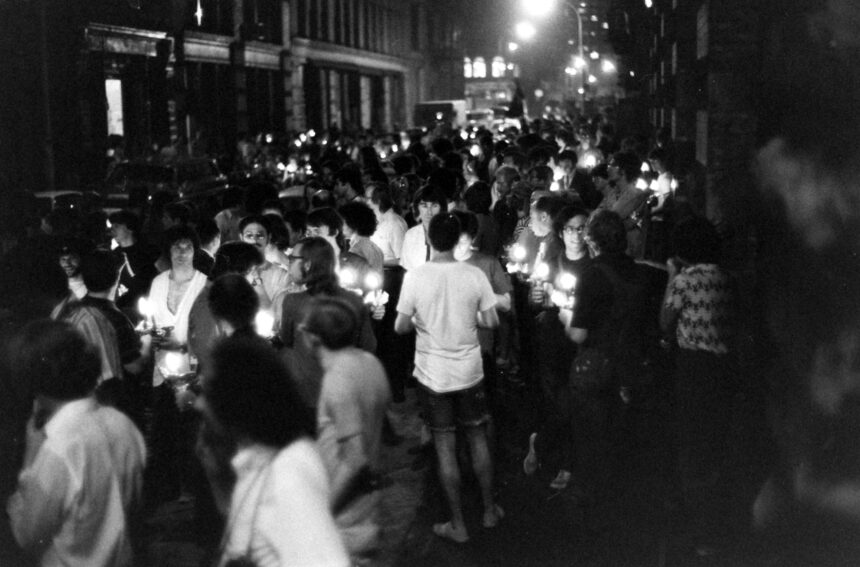
The Birth of Pride and Christopher Street Liberation Day
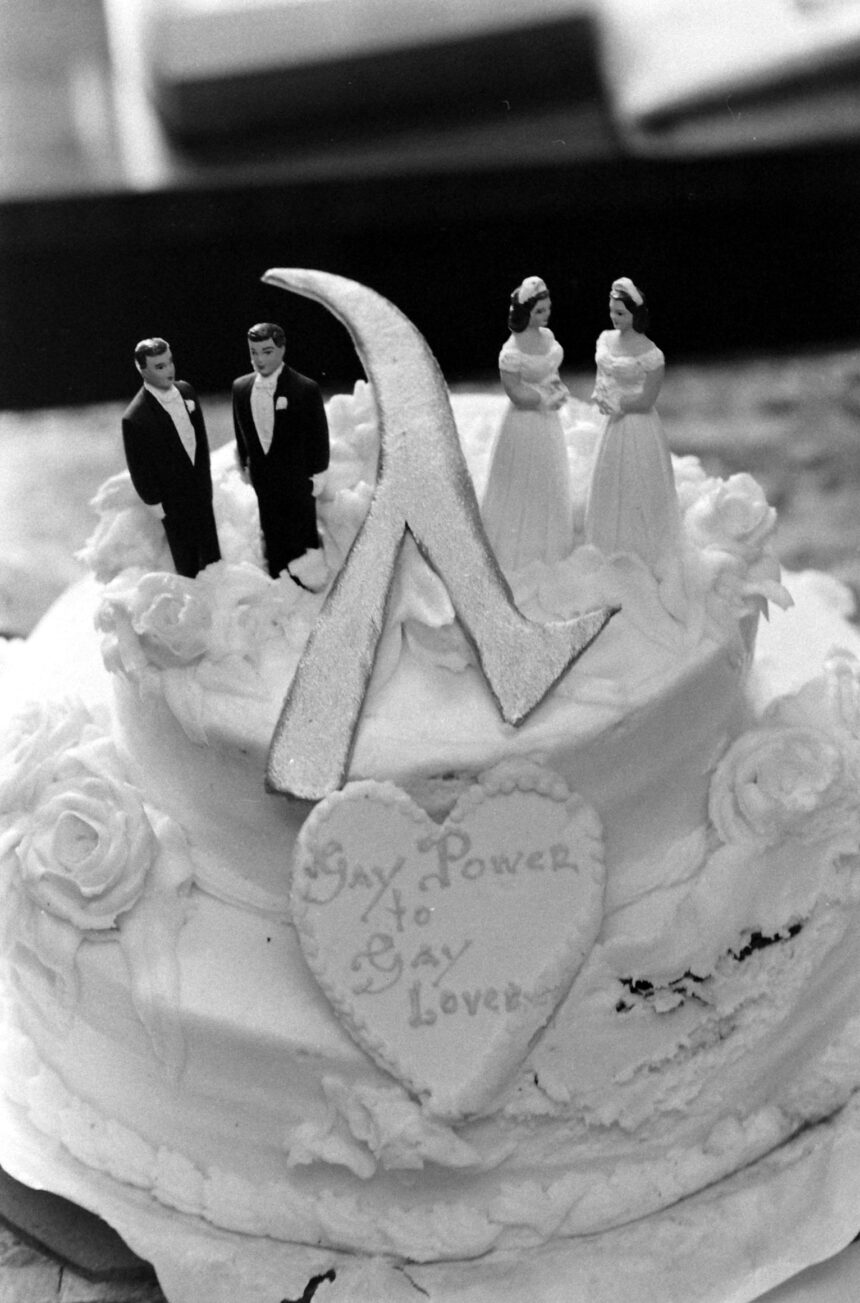
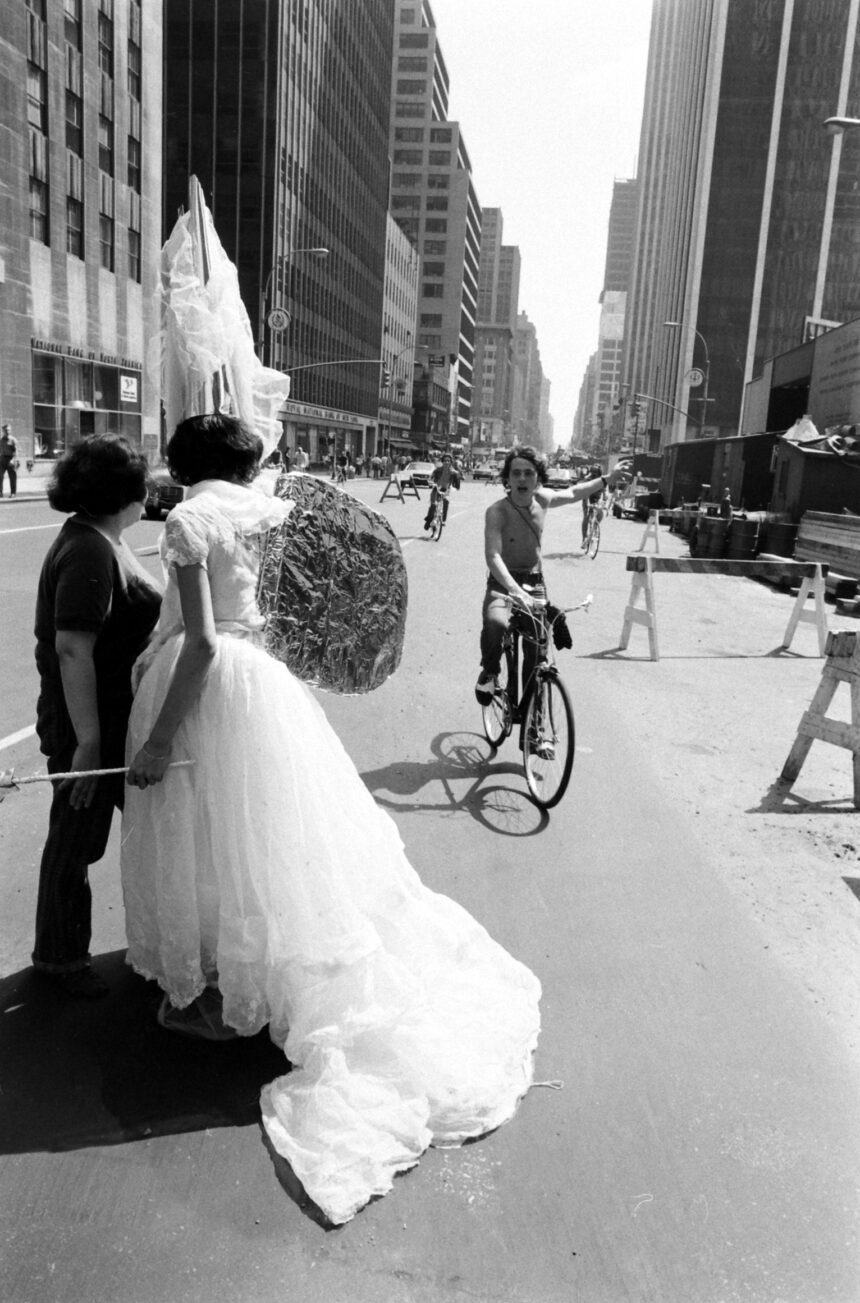
One of the most notable early actions was the first Christopher Street Liberation Day march on June 28, 1970, which was for the one-year anniversary of the Stonewall Riots. The march started in Greenwich Village and ended in Central Park, and is considered the first Pride parade. And that was just the beginning of a movement. The decade saw various key protests and events aimed at challenging and dismantling systemic discrimination faced by the LGBTQ+ community. Throughout the 1970s, the LGBTQ+ movement grew in both scope and influence.
Annual Pride parades spread to other cities, including Los Angeles, Chicago, and San Francisco. These protests and the broader movement sought legal and societal changes and fostered a sense of pride and community among LGBTQ+ individuals, laying the groundwork for future advancements in LGBTQ+ rights.
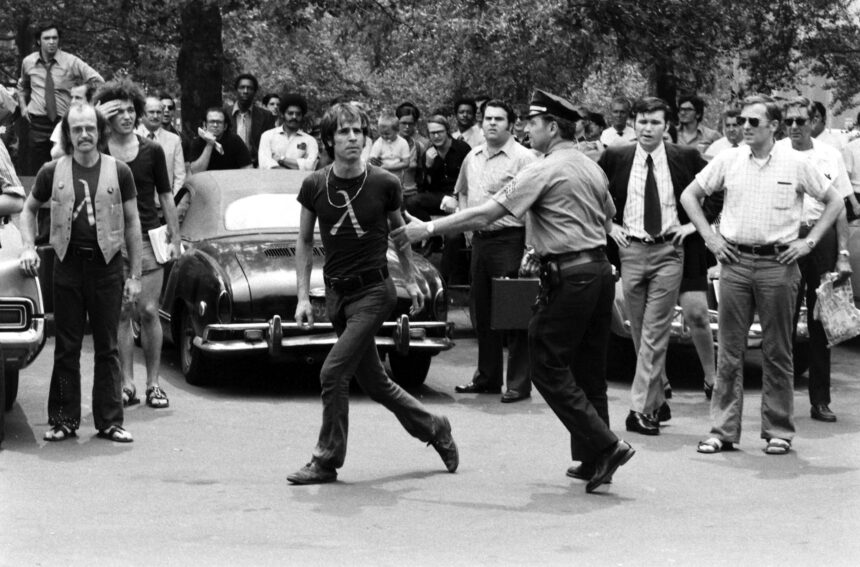
The Spread of the Movement: The Inception of Christopher Street Day in Europe
The impact of the Stonewall Riots and the subsequent Pride marches resonated globally. European LGBTQ+ activists were inspired by the progress in the United States and sought to establish similar events. In 1979, Berlin held its first Christopher Street Day (CSD) parade, named in honor of the street where the Stonewall Inn is located. Christopher Street Day was spread to other cities in Germany and throughout Europe and became a symbol of the fight for equality and acceptance. Each year, cities like Berlin, Cologne, and Hamburg host large CSD parades.
Today, Pride events are held in cities around the world, from São Paulo to Sydney, from New York to Berlin. These events bring together diverse communities, including allies, to celebrate love, acceptance, and progress. However, the spirit of resistance and the fight for equality remain central to Pride. Many Pride parades still highlight ongoing issues such as discrimination, violence, and the need for comprehensive legal protectionsHuman Rights Watch.